Balustrades in New Zealand are one of those details that quietly carry a lot of responsibility. The right balustrade balances safety, style and compliance, and when it is designed and installed well, it supports the architecture instead of fighting it. For commercial, civil and high-end residential projects, SRS Group brings a specialist, end-to-end approach that helps teams choose the right system, meet balustrade compliance NZ requirements and deliver a result that lasts.
What do balustrades do?
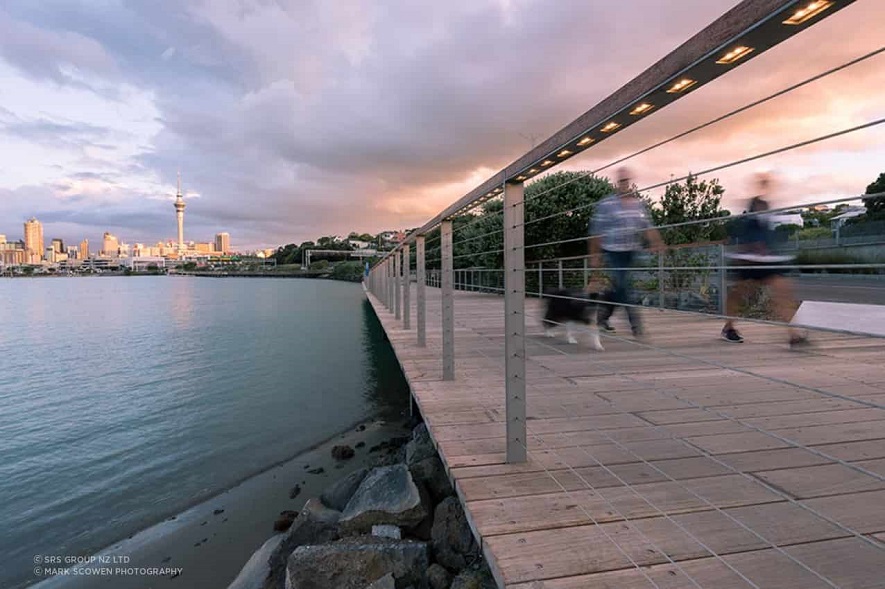
A balustrade is a safety barrier installed where there is a risk of falling from an elevated edge, such as a balcony, deck, stair, bridge or platform. In building regulations in New Zealand, balustrades are treated as part of the broader safety system, not just a decorative railing, because they must resist loads and prevent falls in everyday use.
For architects, engineers and builders, that means a balustrade has to do three things at once: protect users, fit the design intent and satisfy the code pathway for the project. The design conversation should start with where the barrier is required, how people will use the space and what the visual outcome needs to be.
Where they balustrades required
In New Zealand, balustrades are generally required wherever there is a fall risk that reaches the thresholds set by the Building Code, especially Clause F4: Safety from Falling. A common rule of thumb is that falls greater than 1.0 m trigger the need for a compliant barrier in many situations, while decks and balconies above 1.5 m may also require building consent depending on the work.
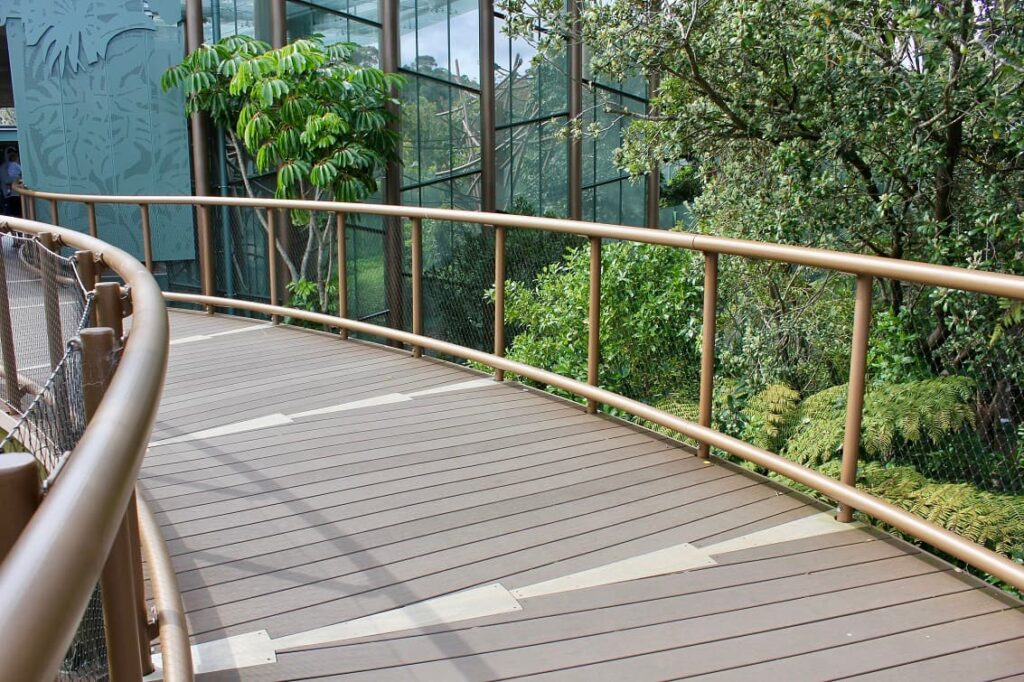
That makes balustrades a regular requirement in commercial buildings, public infrastructure and residential properties with elevated edges. They appear on stair landings, mezzanines, roof terraces, bridges, wharves and viewing platforms, as well as private homes with upper-level decks or internal stair voids. For civil projects, a balustrade can be both a guard rail and a design feature, which is why precision matters from the start.
Balustrade material options
The main material families used in balustrades are glass, stainless steel, mesh and rod or cable systems. Each has strengths, trade-offs and ideal use cases, so the right answer depends on the project brief rather than personal preference alone.
Glass is popular where uninterrupted views and a clean, premium appearance are important. It works well on apartments, terraces and waterfront projects, but it usually needs careful detailing, robust fixings and appropriate lamination or toughening to satisfy safety expectations. The trade-off is maintenance and visual clarity over time, because glass can show dirt, fingerprints and water spotting more readily than other systems.
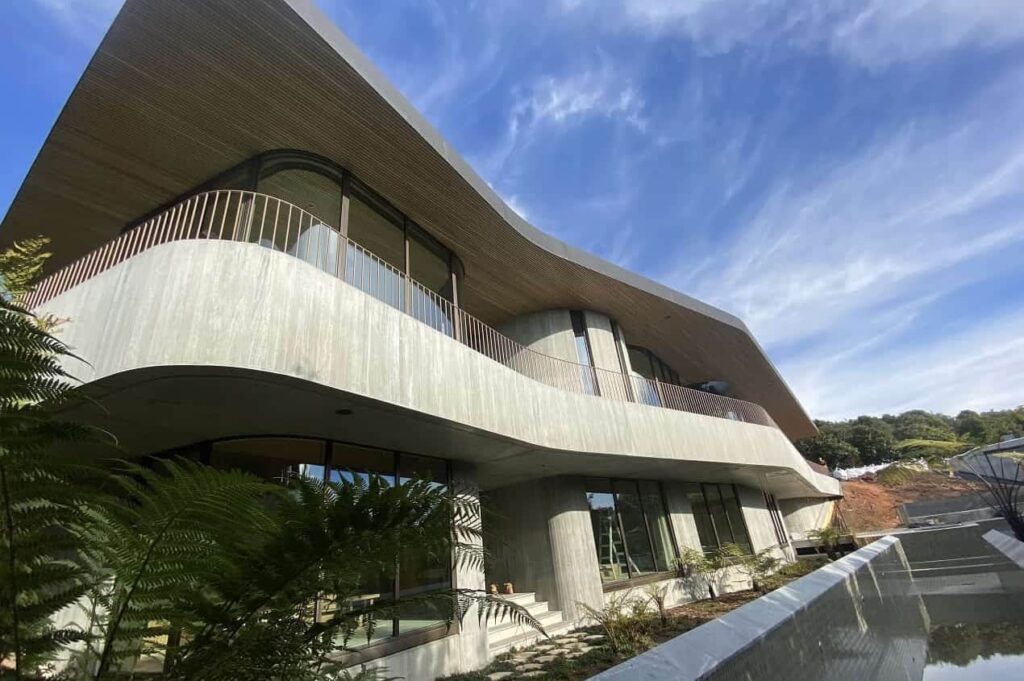
Stainless steel is valued for strength, durability and a refined architectural finish. It suits both internal and external balustrades, especially where corrosion resistance and long-term performance matter. The downside is that solid stainless systems can visually dominate a light architectural composition if they are not carefully detailed.
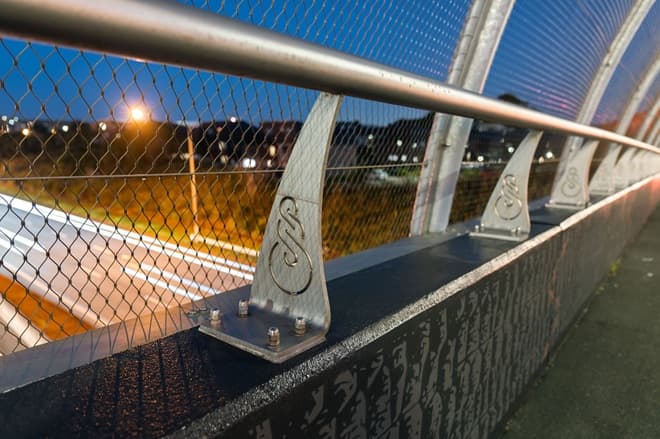
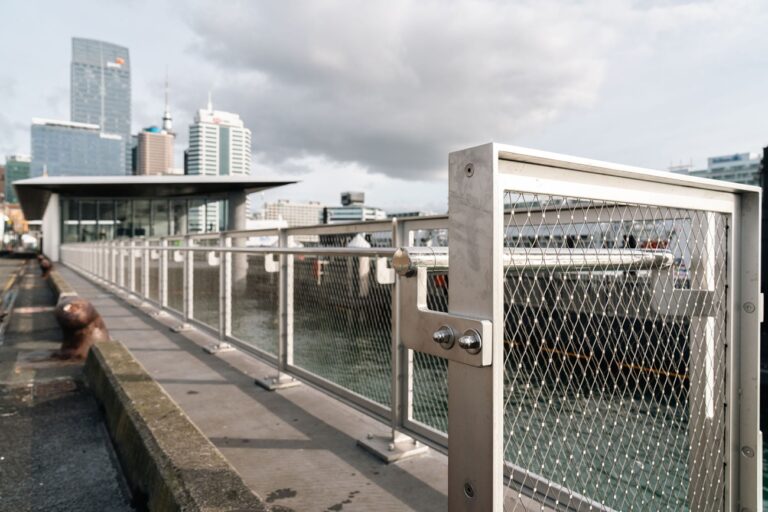
Mesh systems, including stainless steel cable mesh, are a strong option where the project needs safety without bulk. This makes them especially relevant to the glass vs mesh balustrade discussion. Mesh preserves transparency better than solid infill, performs well in exposed settings and integrates neatly with public realm, hospitality and residential architecture. The trade-off is that the support structure and fixing details must be carefully engineered to achieve the right balance of strength and visual lightness.
Rod and cable balustrades can be elegant and cost-effective where a minimal look is desired. They can work very well in stair applications and contemporary residential settings. However, they need good detailing to avoid deflection, spacing issues and problems with compliance if the system is pushed beyond its intended performance.
Balustrade compliance essentials
Balustrade compliance NZ starts with the right design criteria, not the final handover paperwork. Key concepts include barrier height, opening size, design loads and fixing adequacy, all of which must align with the building’s use and the relevant code requirements.
Barrier height is a frequent starting point. The exact height depends on use and location, but residential and commercial situations often sit at different thresholds, with commercial applications commonly requiring a higher barrier. Openings also need to be sized so that they do not create a climbing or fall-through hazard, which is especially important in family environments and public spaces.
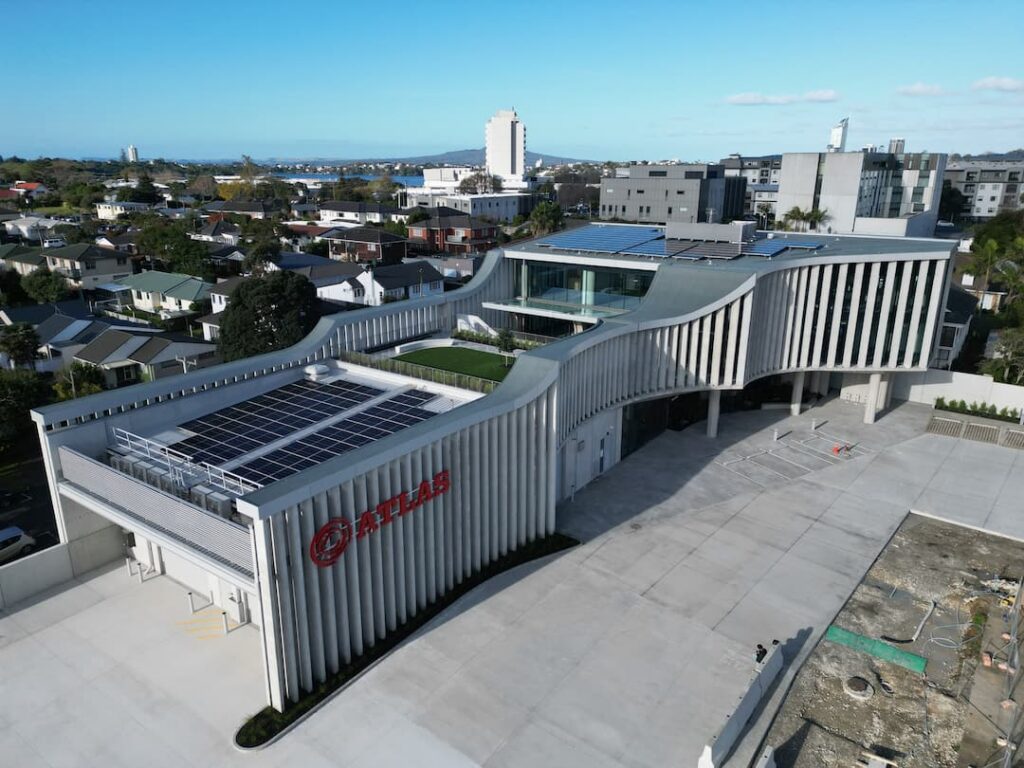
Loads and fixings are equally critical. A balustrade is only as safe as its posts, anchors, substrates and connections, so the structure behind the visible finish must be designed to resist intended loads over time. This is where many low-cost systems fail in practice. They may look acceptable on day one, but if the fixings, substrate or detailing are underspecified, the system can quickly become a liability.
For architects and engineers, the key lesson is that compliance should be treated as a design input. If the barrier is part of a staircase, balcony edge, bridge, or atrium opening, the surrounding structure must be considered at the same time as the balustrade itself. That is especially true in NZ projects where wind, corrosion and user loading can vary substantially by site.
SRS’s end-to-end method
SRS Group approaches balustrades as a complete system rather than a standalone product. That begins with early collaboration, where the team works with architects, engineers and builders to understand the use case, the visual direction and the compliance pathway.
Director Luke Tempest brings a practical, delivery-focused mindset shaped by complex rigging and marine-grade environments. That matters because balustrades often behave like a hybrid of architecture and engineering. They need to look light and precise, but they also need to perform under load, resist the environment and be installable without surprises on site.
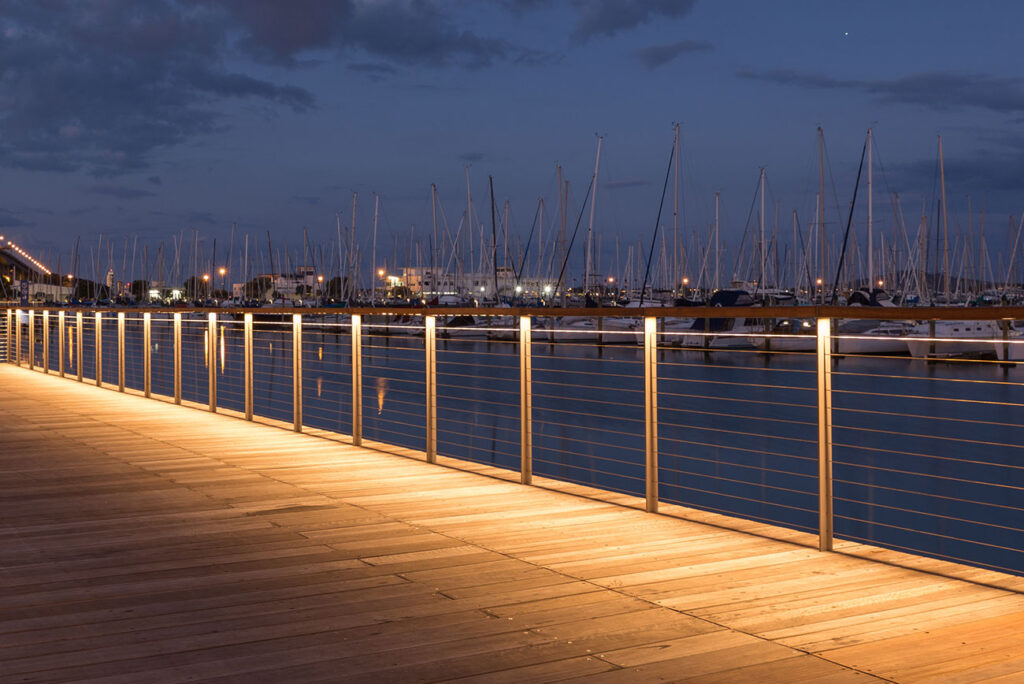
From there, SRS can support design development, fabrication and installation, keeping the scope aligned from drawing to final fix. That integrated model helps reduce coordination risk, especially on projects where balustrades must interface with glass, structural steel, timber, concrete or mesh. It also makes the documentation trail stronger for consenting and sign-off.
Commercial balustrade paths
Commercial projects usually need balustrades that serve both safety and architecture at scale. In offices, retail centres, hotels and education buildings, SRS can support designers with systems that suit atriums, stairs, mezzanines and access zones without making the interior feel heavy.
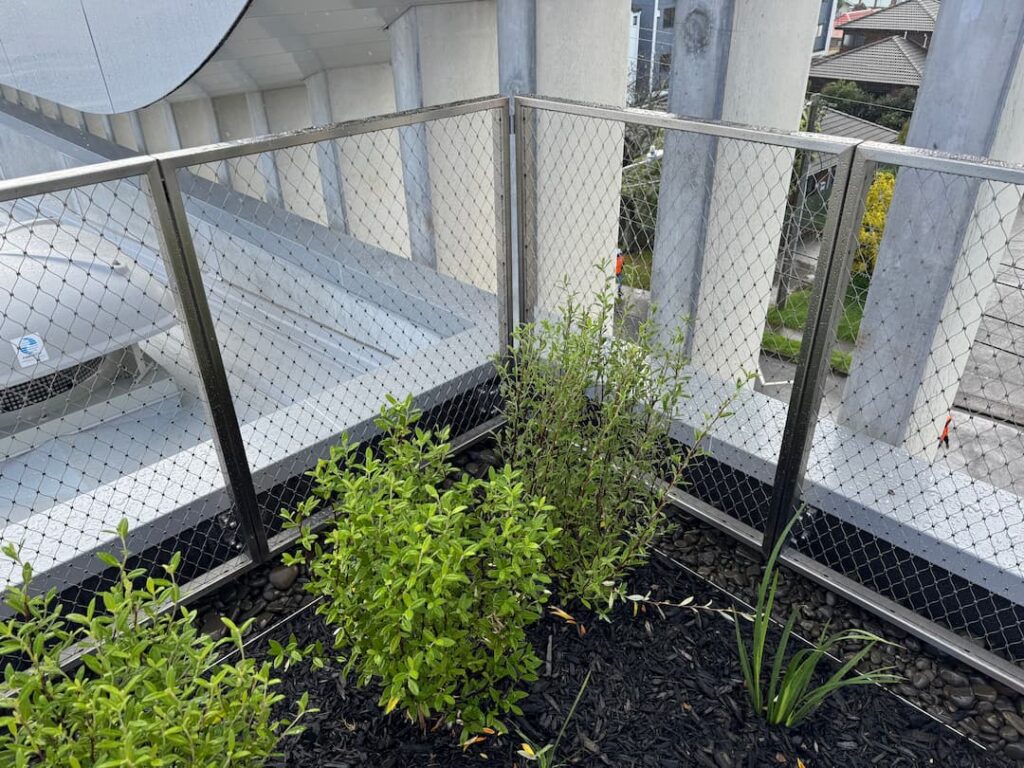
For commercial teams, the value lies in programme certainty and consistency. A well-resolved balustrade package can reduce late changes, keep joinery and glass trades aligned and limit rework when services or adjacent finishes shift. Stainless steel, glass and mesh each have a place here, but the best result usually comes from selecting the system that fits the maintenance expectations and the long-term brand of the building.
Civil and residential balustrade paths
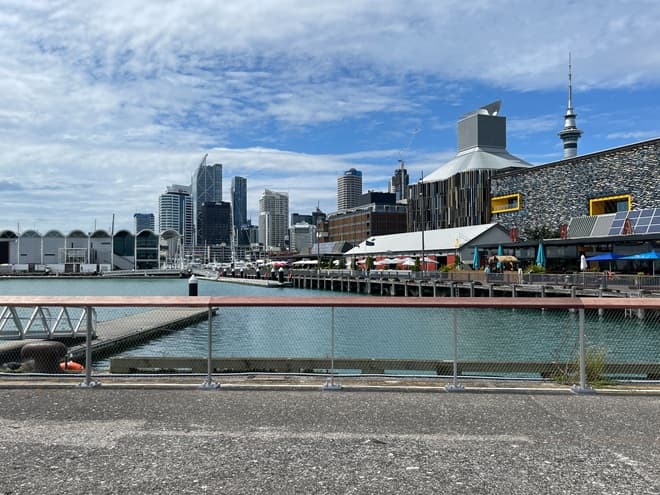
Civil projects tend to demand a stronger focus on exposure, durability and public safety. Bridges, wharves, viewing platforms and public promenades often call for balustrades that can resist corrosion, manage high foot traffic and deliver reliable performance for years in challenging environments. SRS’s rigging and fabrication background is especially relevant in these cases because the structural demands are often more complex than they first appear.
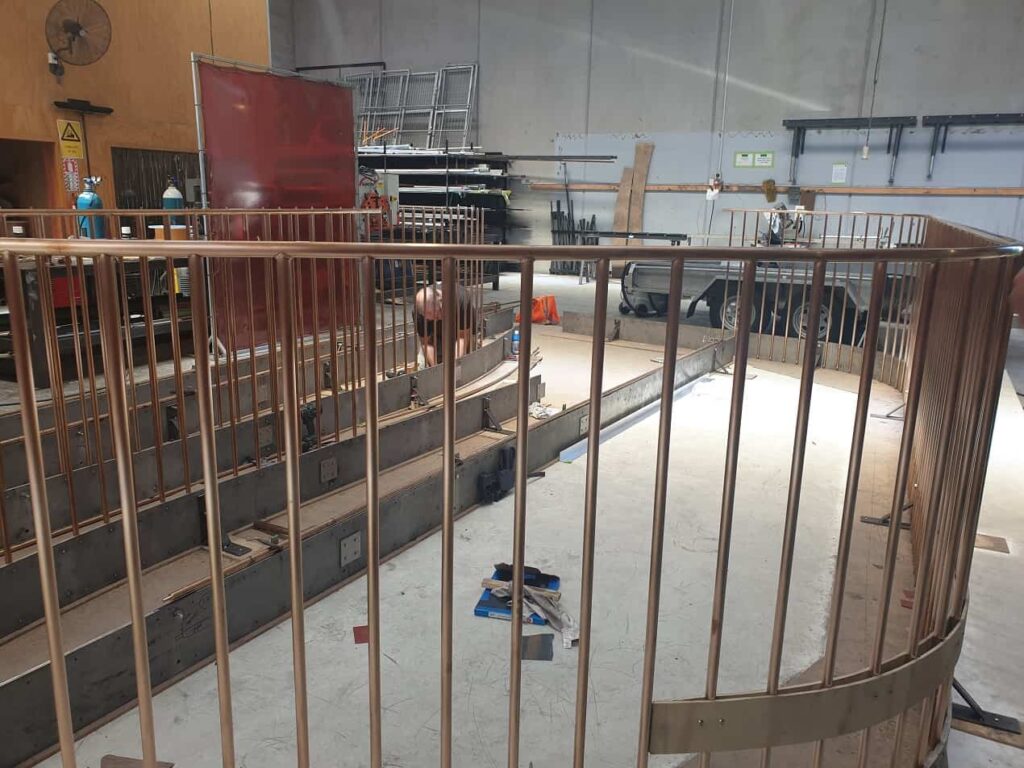
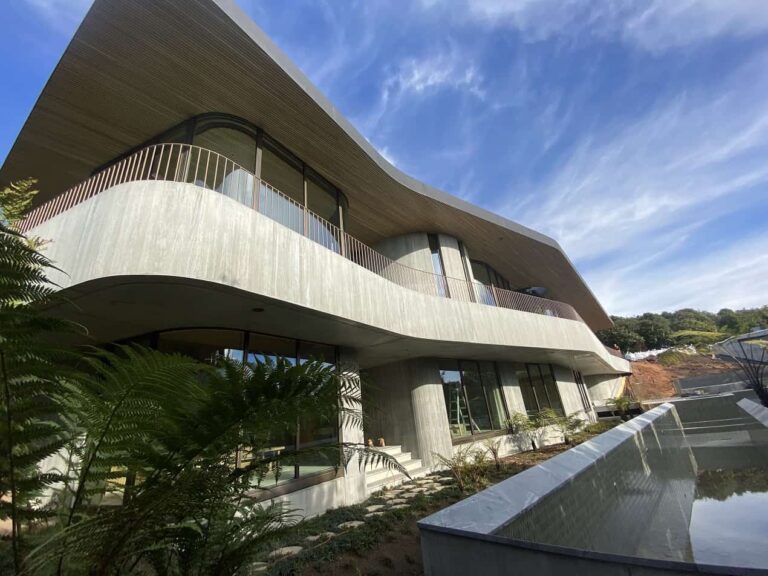
High-end residential projects are different again. Here, the challenge is usually to achieve a clean, architectural finish while preserving views and meeting compliance. Homeowners and designers often want a balustrade that disappears into the architecture rather than announcing itself. That is where mesh, cable and glass systems can all play a role, depending on the balance of privacy, openness and maintenance the project needs.
Ronstan catalogue
If your project is using cable-based detailing or you want a deeper technical reference for railing components, the Ronstan Balustrade and Railing Cables Catalogue is a useful next step. It can support design development by giving architects and engineers a clearer understanding of the available hardware and system options.
For teams working through balustrades nz decisions, this kind of reference material can help narrow the field before detailed coordination begins. It is especially useful when comparing glass vs mesh balustrade outcomes or when a project needs a more refined stainless steel or cable-led solution.
Why this matters
The best balustrades do not just satisfy a height requirement. They protect people, support the architecture and give the project team confidence that the detail will hold up in the real world. For commercial, civil and high-end residential work, that is why it pays to treat balustrades as a specialist scope from the beginning, not a finishing item to solve at the end.
SRS Group’s value is that it can help you move from concept to a compliant, buildable and visually coherent result with fewer unknowns. That is a major advantage on projects where safety, style and compliance all have to land at once.
Contact SRS Group
If you are planning a balustrade-led project in New Zealand, start with the SRS Balustrades page and use it as the foundation for an early design conversation. Then download Ronstan’s Balustrade and Railing Cables Catalogue to support your technical thinking and compare system options.
For architects, engineers, designers and builders, the next best step is to speak with SRS about your project’s site conditions, compliance requirements and aesthetic goals. The earlier the conversation starts, the better the final balustrade will perform.
FAQs
What is the main rule for when a balustrade is required in NZ?
Balustrades are generally required where there is a meaningful fall risk, with common triggers around 1.0 m and above depending on the location and use.
Which is better, glass or mesh balustrade?
Neither is universally better. Glass suits projects that need clear views and a polished finish, while mesh is often better where transparency, durability and a lighter visual profile are priorities.
What makes balustrade compliance NZ so important?
Because a balustrade is a life-safety system. It must meet the building regulations in New Zealand for height, load resistance, openings and fixings, not just look visually right.
Can SRS help across commercial, civil and residential projects?
Yes. SRS works across all three, adapting the design and delivery approach to suit the scale, exposure and compliance demands of each project.