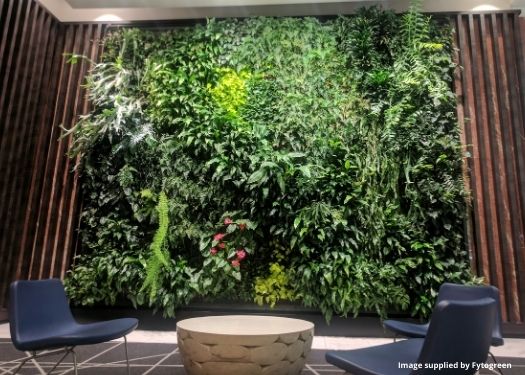

Living walls help remove CO2 from the air by absorbing carbon dioxide through plants and converting it into oxygen. Even small green walls improve air quality, while large-scale installations can significantly reduce CO2 levels in buildings and cities.
We have talked a lot about the many benefits provided by living walls. From providing insulation to increasing productivity, a living wall, or green wall as they are sometimes referred to, can provide an office or home with a number of benefits, which is great for you as a homeowner or a business owner; however, perhaps the greatest benefit of a living wall is one that benefits the whole planet.
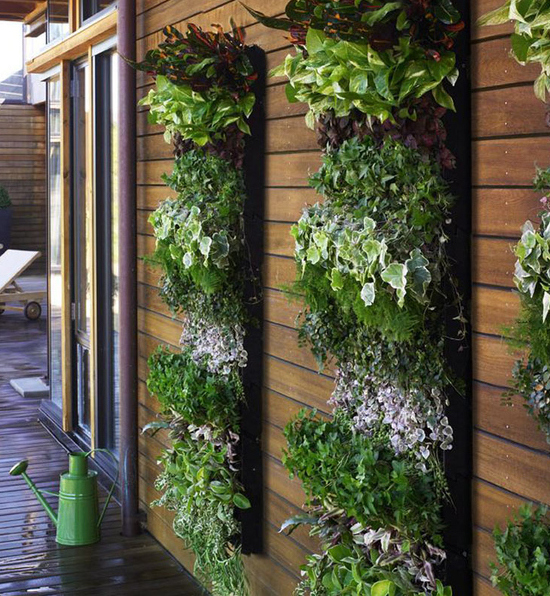
The plants in any green wall solution – from full exterior green walls to interior partitions – will help to filter particulate matter, such as dust, pollen, soot and smoke, from the air and convert CO2 to oxygen. Whether it’s an internal or external solution, a green wall will contribute to the purification of the air and improve air quality in and around your building.
What are living walls and why do they matter?
Living walls, also known as green walls, are vertical systems that allow plants to grow on interior or exterior surfaces of a building. Beyond their visual appeal, living walls play an important functional role by improving air quality, regulating indoor climates, and supporting healthier built environments. As buildings and cities continue to grow, living walls offer a nature-based solution that helps counteract rising CO2 levels while enhancing comfort and wellbeing for occupants.
How living walls remove CO2 from the air
Just 1 m² of living wall extracts 2.3 kg of CO2 per annum from the air and produces 1.7 kg of oxygen. Imagine how much CO2 is filtered by a living wall that takes up the entire side of a high rise building.
Quantifying CO2 removal by living walls: a case study of the Centre for Design Research at Kansas University
Whilst we can talk about the benefits of living walls and the impact on CO2 levels, we wanted to share some research that showcases in detail the positive impact of living walls on CO2 levels.
The research was conducted by Eric Rivera through the McNair Scholar Programme and was a study to investigate a living wall, designed specifically for the Centre for Design Research (CDR) as a means to improve indoor air quality (IAQ), located at the University of Kansas.
This study investigated the effectiveness of the living wall in reducing carbon dioxide (CO2) concentration levels indoors, as well as the impact the mechanical system has in reducing CO2 concentration levels.
The results of the study
Results showed that the living wall reduced CO2 concentration rates by 56% and reduced the amount of CO2 being returned to the recirculation system. Results of the study also hypothesize whether reduced airflow rates and the placement of supply and return grilles can further reduce CO2 concentration levels.
In a recent development in Dallas, USA, real estate investment firm Rastegar Property Company announced plans to build a living wall on its 26-story condo development. The wall, made up of more than 40,000 plants, is estimated to capture more than 1,600 pounds of carbon dioxide and produce 1,200 pounds of oxygen each year.
The wall is expected to cost up to $1 million and will have internet of things (IoT) sensors to monitor the plants’ health. Josh Eadie, vice president of real estate at Rastegar, told Smart Cities Dive the wall is part of a broader strategy to add parkland to downtown Dallas.
The results of the research are conclusive. Living walls have a significant impact on reducing levels of CO2 and this can only be a positive for the environment as a whole as well as helping to purify the air in the home or workplace.
CO2 removal benefits at a glance
- 1 m² of living wall removes 2.3 kg of CO2 per year
- Living walls convert CO2 into oxygen continuously
- Large-scale installations can remove thousands of pounds of CO2 annually
- Indoor living walls help improve indoor air quality (IAQ)
- Exterior green walls contribute to cleaner urban air
Other benefits of living walls
Of course, there are many other benefits of living walls, and these should all be factored into your decision-making when deciding whether to install either an interior or exterior green wall. Some of the benefits include:
Reduces ambient noise outside and inside
The insulating properties provided by green wall solutions also act as a sound barrier for your building or for a specific space within a building. Externally, a green wall can absorb up to 40% more sound than a bare facade, helping to reduce the noise both inside and outside of your property.
Reduces the ambient temperature
Plants absorb sunlight and this helps in two ways. In the summer, it creates a cooler and more pleasant climate as 50% of sunlight is absorbed and 30% reflected. In the winter, a green wall acts as an extra layer of insulation for a building or a specific room within a building, helping to retain the heat. All of this leads to reduced energy bills and a reduction in air conditioning and heating costs.
Reduces the number of sick days
Greenery promotes a healthy indoor climate, and spaces with a green wall solution see fewer complaints such as headaches, irritated or dry eyes, sore throats and tiredness. This can help to significantly reduce the number of staff absences through sick leave.
Increases productivity
It’s proven that plants have a positive effect on people, so using a green wall solution in or on your building can really help boost productivity and employee satisfaction. Green walls can also help to reduce stress and improve overall staff well-being. A green space is a happy space!
Conclusion: Why Living Walls Matter for CO2 Reduction
Living walls are more than an architectural feature; they are an effective, nature-based solution for reducing CO2 levels, improving air quality, and creating healthier indoor and outdoor environments. From small interior installations to large-scale exterior facades, green walls deliver measurable environmental and human benefits.
If you are considering a living wall for your home, office, or commercial development, professional design, installation, and ongoing maintenance ensure maximum performance, longevity, and environmental impact.
Frequently Asked Questions
Are living walls effective indoors for CO2 reduction?
Yes, studies show indoor living walls significantly reduce indoor CO2 concentrations and improve indoor air quality.
Do exterior living walls improve city air quality?
Large exterior green walls help filter pollutants and reduce CO2, contributing to cleaner urban environments.
Are living walls expensive to install and maintain?
Costs vary depending on size and system type, but long-term benefits include energy savings and improved environmental performance.
Can living walls support sustainability goals for buildings?
Yes, living walls support sustainability initiatives by reducing CO2, improving insulation, and enhancing overall building performance.
Post first published 20 July 2021 and last updated 13 March 2025