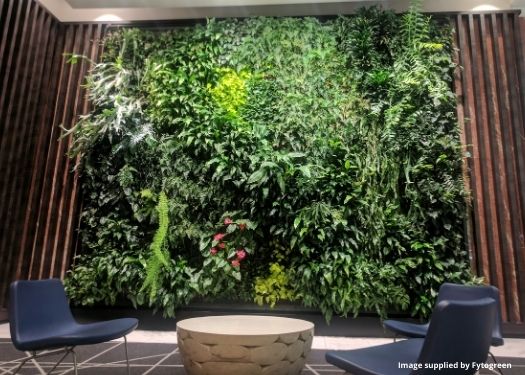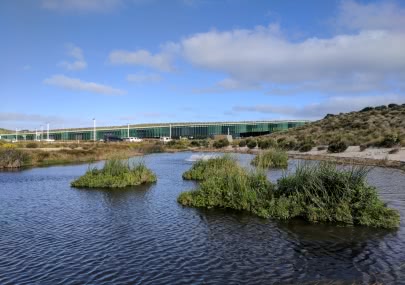
Like all revolutionary ideas with roots, they grow exponentially. As is the case with green buildings. Beyond walls and alcoves, a trend is growing around the world to add foliage such as small plants, shrubs, and even trees, to the exterior surfaces of a towering building, along with innovative use made of high rise rooftops. Green buildings deliver the same benefits of vertical gardens, yet multiply their impact significantly. The more foliage and vegetation utilised, the greater the positive benefit to people and the environment.
THE GLOBAL TREND FOR FOLIAGE SYSTEMS
Across the globe, cities are overshadowed by concrete buildings, with parkland decreasing dramatically. Many cities are responding to this by taking charge of their environments and combining foliage systems across buildings to balance out greenery vs construction.
It’s encouraging to see that cities are taking action and by doing so, they are creating more oxygen and absorbing more carbon dioxide in their environment. Not only does this lead to healthier lifestyles but the visual impact is extraordinary.
On a global level, the concept of using a building’s roof to grow plants for a wide range of purposes is spreading. ‘Green roofs’ have been created to provide additional public spaces such as playgrounds, and have even been used to grow food for community garden projects.
GREEN BUILDING BENEFITS FOR ALL
The concept also reaps its rewards for more than simply children and foodies. Green buildings on a whole, increase the biodiversity of urban environments – welcome news to regional birds and insects who continue to lose ground to commercial and residential development.
Architects are continuously designing new innovative methods of sending plants skywards, through vertical gardens fostered on the sides of building, extraordinary rooftop designs, foliage facades, green walls and so much more.
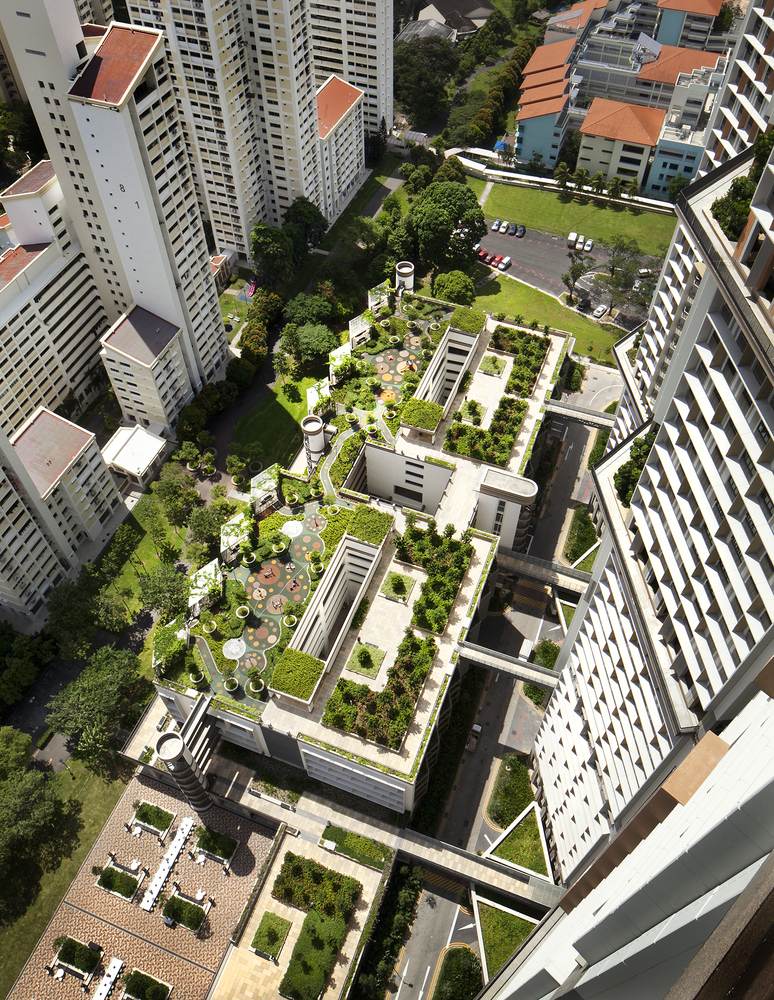
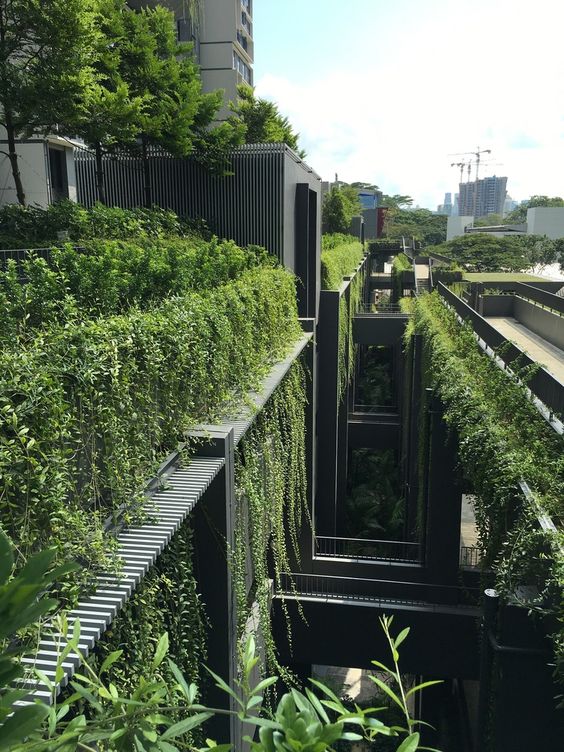
Galeria de SkyVilla. WOHA. SCDA Architects. Singapore
Here at SRS Group, we are chomping at the bit to get involved in a green building project here in New Zealand or afar. If this is a dream you also share, then talk to us first about how we can bring this vision to life together. These methods are introducing a fresh urban flair back into the city, recreating a connection to the earth.
Frequently Asked Questions:
How do green buildings benefit urban environments?
They improve air quality, reduce carbon dioxide, increase biodiversity, and mitigate the urban heat island effect by adding greenery to otherwise concrete-dominated areas.
Can green architecture be implemented on existing buildings?
Yes. Existing structures can adopt green features like rooftop gardens, vertical gardens, or green facades without major structural changes, making sustainability achievable even in retrofits.
How does green architecture impact building occupants?
Green buildings enhance well-being by providing visual greenery, reducing noise pollution, improving air quality, and creating spaces that promote relaxation and productivity.
What types of foliage are used in green buildings?
Designers often use a mix of low-maintenance plants, shrubs, and trees suited to the local climate. Native species are preferred for sustainability, while vertical gardens may include flowering plants for aesthetics.
Are green buildings cost-effective in the long run?
Yes. While initial installation may be higher, green buildings reduce energy costs, improve roof longevity, manage stormwater, and can even increase property value, offering significant long-term savings.