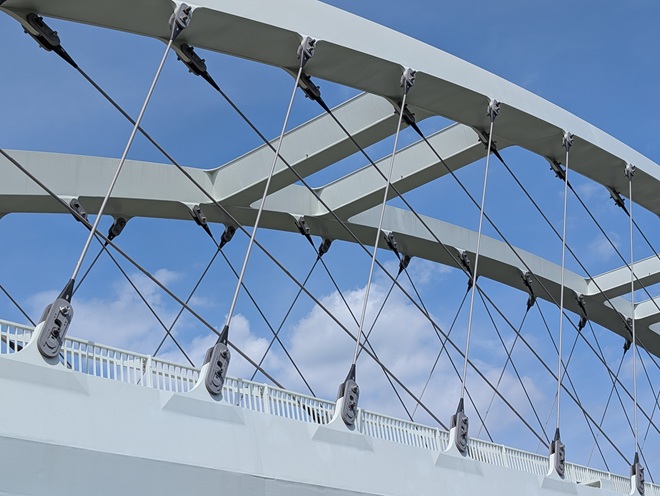
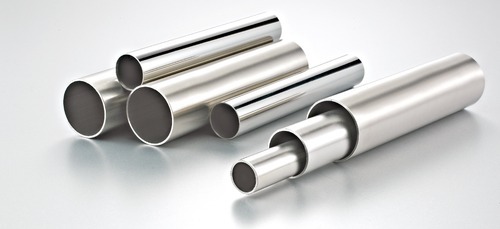
Stainless steel is durable, corrosion-resistant, heat-resistant, hygienic, sustainable, and visually appealing, making it ideal for residential, commercial, and industrial projects.
As specialists in fabrication, architectural rigging, cable manufacturing and more we’ve worked with a wide range of materials in residential, commercial and industrial projects. One of our most commonly used materials across all these contexts is stainless steel. Its many unique properties combined, make it an ideal solution for many applications and we thought we’d explore all the different benefits of stainless steel to prove just how useful it really is.
Properties of Stainless Steel
To fully understand the benefits of stainless steel as a material used across a wide range of industries, it’s important to understand more about the properties of stainless steel that make it such an ideal material for use in fabrication, rigging, and cable manufacturing as well as commercial, industrial, and residential projects. Here are seven properties of stainless steel that bring so many benefits:
1. Corrosion Resistance
One of the best and most well-known characteristics of stainless steel is that it is extremely corrosion resistant. When it was first created by Harry Brearley in 1913 it was spoken of as the world’s first ‘rustless steel’. The addition of chromium content was the key component that gave stainless steel this quality and was seen as the major breakthrough in its development. Stainless steel has evolved a great deal since then with many different types/grades available. We typically use 316-grade stainless steel which also contains 3% molybdenum. This further strengthens its resistance to corrosion against industrial acids, alkaline solutions and makes it particularly resilient in high saline environments (i.e. those by the sea). This founding characteristic has made it highly applicable all over the world.
2. Fire and heat resistance
The resilience of stainless steel as a material is a common theme throughout this blog and its resistance to fire and heat is an integral part of that. Stainless steel has this attribute because of its oxidation resistance, even at high temperatures. This enables it to retain its strength under harsh and extreme temperature conditions very effectively. Chromium again plays an important role in this respect and makes stainless steel a great choice with fire resistance and fire prevention in mind. It’s a material that outperforms the likes of galvanised steel and aluminium in this regard.
3. Hygiene
A benefit of stainless steel that might not immediately come to mind, but is particularly true and important, relates to hygiene. Stainless steel is an extremely hygienic material due to the fact that it is extremely easy to clean and sanitise. Its smooth, sheen-like and non-porous surface means that the likes of dirt, grime and bacteria struggle to establish themselves on its exterior. When they do, they can very easily be wiped away. The ease of this cleaning and maintenance makes stainless steel an excellent choice in environments where strong hygiene is vital. This is why professional kitchens are made almost exclusively of stainless steel and why you’ll see it relied on heavily in hospitals, laboratories, factories etc.
4. Impact resistance and strength
Stainless steel is an extremely tough and highly durable material with high impact resistance. Part of the reason for this is that stainless steel has low susceptibility to brittleness at high and low temperatures. Not only does this mean that the material will retain its shape, but it means at its melting point it can be more easily welded, cut, fabricated etc as we do in the manufacture of balustrades for example. Interestingly, it’s also a material that’s commonly used in cryogenic applications given its strength in cold working conditions showing again just how strong a material it is.
5. Aesthetic appearance
Another reason why many turn to stainless steel is somewhat superficial but not less valid and that’s to do with its aesthetic appearance. Ever since its creation, stainless steel has been seen as an elegant, attractive and modern material. Many see it as a material that has a brightness that resonates with a sense of purity. It is also a material that has stood the test of time and if anything, has become more and more popular as a functional and ornamental choice in residences and commercial properties around the world. It is also a material that complements and works well with most other materials, styles and colours.
6. Sustainability
Another benefit that doesn’t get a lot of attention when it comes to stainless steel, but one that is very important as a global issue is the fact that it’s a highly sustainable choice. Stainless steel is typically created from about 70% scrap metal meaning its foundations come from that which isn’t being used. Furthermore, it’s 100% recyclable in its original form which means it can be repurposed should it cease to serve its original function. It won’t leach toxic chemicals like some other materials during the recycling process and doing so, reduces the need for mining the rarer elements that play an important role in the creation of stainless steel.
7. Long term value
When you consider the longevity of stainless steel as well as all the other factors mentioned above, the total life cycle cost of the material stacks up well. Its increasing prevalence in our society has increased competition from suppliers meaning pricing has been as competitive as it’s ever been. This, coupled with the fact that the maintenance cost for stainless steel is extremely low, means you’ll get great returns when choosing it as your material of choice. Given we’ve also just mentioned that it’s 100% recyclable means that it is really hard to lose out on stainless steel as a solution.
Some great benefits of stainless steel
Disadvantages of Stainless Steel
While stainless steel offers numerous advantages, there are a few considerations to keep in mind:
- Higher manufacturing costs: Stainless steel can be more complex to manufacture compared to other metals, sometimes resulting in higher upfront costs.
- Visible smudges and fingerprints: Stainless steel surfaces, especially in kitchens or high-touch areas, can show fingerprints, grease, and smudges easily, requiring regular cleaning.
- Difficult repairs and modifications: Welding, cutting, or reshaping stainless steel requires specialised skills and equipment, making on-site modifications more challenging.
- Weight considerations: Depending on the grade and thickness, stainless steel can be heavier than alternatives like aluminium, which may require additional support in certain applications.
- Potential for surface scratching: Although durable, stainless steel can be scratched under heavy or abrasive use, which may affect its aesthetic appearance over time.
Overall, however, the advantages of stainless steel far outweigh the disadvantages, making it the ideal material for a huge range of applications.
Conclusion
As you can see, there are some great benefits of stainless steel that shouldn’t be overlooked or dismissed. Stainless steel provides durability, hygiene, corrosion resistance, aesthetic appeal, and long-term value for residential, commercial, and industrial projects.
At SRS Group, we specialise in stainless steel fabrication, architectural rigging, cable manufacturing, and custom metal solutions. Whether your next project involves handrails, balustrades, safety barriers, or structural systems, stainless steel can provide the strength and visual appeal you need. Contact us today to discuss your project and see how stainless steel can be the perfect solution for your requirements!
Frequently Asked Questions
What is stainless steel commonly used for?
Stainless steel is widely used in fabrication, architectural rigging, kitchen equipment, handrails, balustrades, medical equipment, and industrial applications due to its durability, corrosion resistance, and hygiene.
Which grade of stainless steel is best for outdoor projects?
Grade 316 stainless steel is highly recommended for outdoor or coastal environments because it contains molybdenum, which enhances resistance to corrosion and saline conditions.
Why is stainless steel preferred in kitchens and hospitals?
Stainless steel’s smooth, non-porous surface makes it easy to clean and hygienic, preventing bacteria buildup. It’s also resistant to heat and corrosion, making it ideal for professional kitchens, hospitals, and laboratories.
Post first published 6 April 2022 and last updated 5 December 2025