Outsourcing fabrication and rigging in Auckland gives civil, commercial and high-end residential projects a measurable edge in cost control, programme certainty and build quality. When these specialist scopes are delivered by an expert partner with dedicated workshops, experienced riggers and robust QA, construction outsourcing becomes a strategic decision that helps project teams do more with less risk, not simply a way to push work off-site.
The benefits of outsourcing
Outsourcing fabrication and rigging is no longer just about filling capacity gaps. For many project managers, developers and asset owners in Auckland and beyond, it has become a deliberate strategy to improve project performance and reduce risk across complex builds. Instead of stretching internal teams across highly specialised scopes, they partner with experts like SRS who live and breathe these disciplines every day.
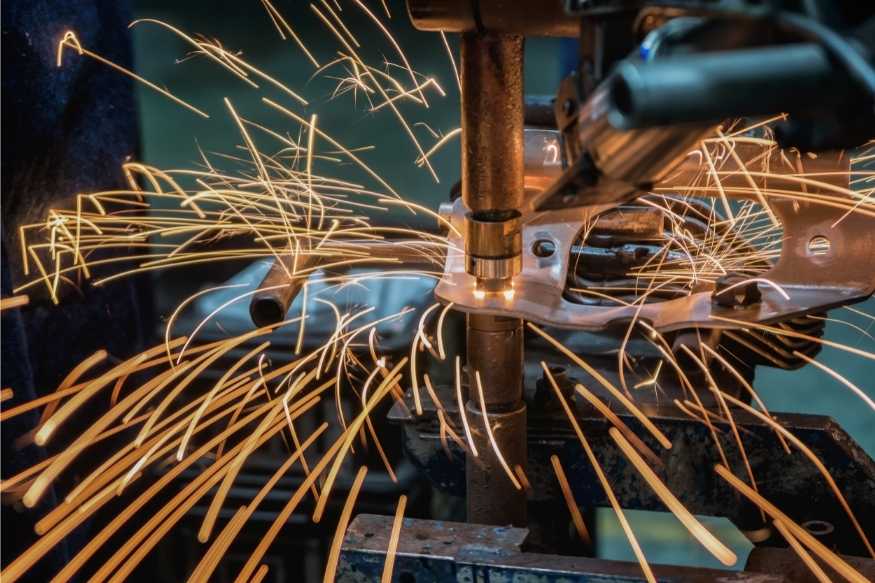
Outsourcing fabrication in Auckland and outsourcing rigging in Auckland allows construction teams to tap into established systems, equipment and skills that would be expensive or impractical to replicate in-house. That means better welds, better terminations and better coordination between steel, cable and architectural finishes, all backed by proven processes. For busy contractors trying to juggle multiple projects, this shift in responsibility also frees up their own teams to focus on what they do best, whether that is concrete, structure, services or fit out.
There is a risk management benefit too. When a specialist partner like SRS Group owns the full scope from design input through to installation, it creates a single accountable line for performance. If something needs adjustment, you are not stuck coordinating between multiple small suppliers and internal teams. Instead, you have one expert point of contact who is responsible for solving the issue and keeping the programme on track.
Cost-effectiveness of outsourcing
At first glance, outsourcing can appear more costly than self-performing. But once you account for overheads, rework and inefficiencies, the fabrication outsourcing benefits and rigging outsourcing benefits are usually clear. Standing up an in-house metal workshop or rigging team means investing in plant, space, health and safety systems, training and ongoing supervision. Those costs continue to accumulate regardless of whether your workload is at 30 per cent or 130 per cent.
By shifting to construction outsourcing for these specialist scopes, contractors and developers turn a fixed cost into a variable one. You pay for exactly what you need, when you need it. You are also buying output from teams that are set up to be efficient at scale. Dedicated fabrication shops can nest plate, optimise cutting lists and leverage buying power on materials in ways a one-off project cannot. Skilled riggers, like those we have at SRS, who work at height every week, can complete installations with fewer people and less wasted time than a general crew that only does this occasionally.
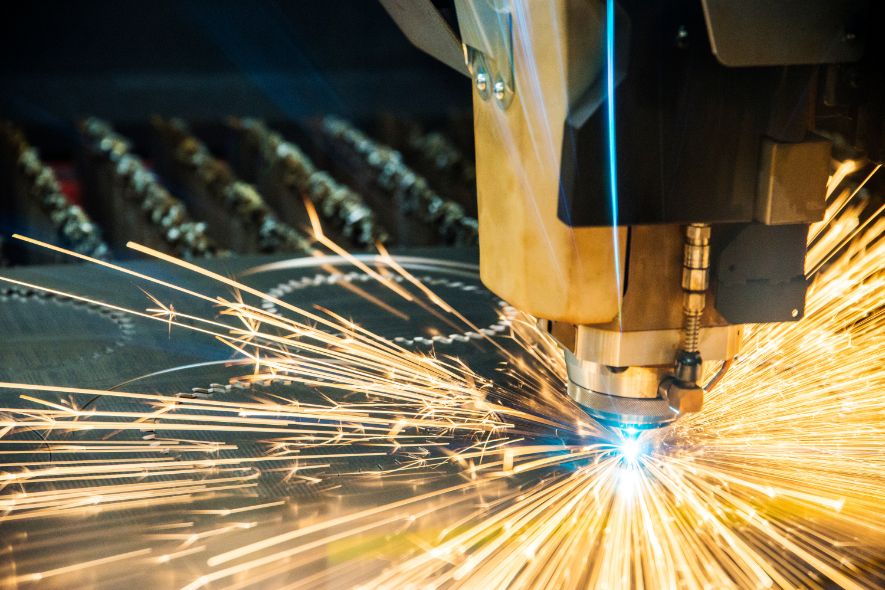
There is also the hidden cost of defects and delay. Industry data consistently shows that rework can account for five to ten per cent of project costs when quality and coordination are poor. Even a handful of misaligned balustrade posts or incorrectly tensioned cables can trigger site delays, additional access costs and remedial labour, especially on multi-storey or public-facing projects. Working with an outsourcing partner like SRS, which applies rigorous QA in the workshop and conducts pre-assembly checks before dispatch, significantly reduces those risks.
For civil clients, this can translate into fewer night shifts and lane closures. For commercial developers, it reduces the likelihood of handover defects that slow leasing or tenant fit-out. For high-end residential projects, where the tolerance for visible flaws is effectively zero, outsourcing to a specialist partner becomes a form of insurance for the overall brand of the development.
Improved project timelines
Programme is where outsourcing fabrication and rigging in Auckland often deliver the most visible benefit. When specialist scopes are managed in a dedicated facility, work can proceed in parallel with on-site activities instead of competing for the same labour and space. Structural steel can be going up while balustrades, feature steel and rigging components are fabricated off-site and prepared for installation.
This parallel processing reduces bottlenecks and allows project managers to sequence works more efficiently. Instead of waiting for internal teams to be available, you work with a partner who can scale resources to meet your critical path. For clients under pressure to open a retail centre before peak season, commission a new hospital wing to meet demand, or complete a luxury residence for move-in, those weeks gained can be commercially significant.

Specialist rigging teams also shorten on-site durations. Because they are practised in lifting, positioning and tensioning complex systems, they can complete high-risk works faster and more safely. Prefabricated assemblies arrive labelled, trial-fitted and ready to install. That means less cutting and drilling at height, fewer surprises and a smoother handoff to follow-on trades such as glaziers, electricians or landscapers.
For projects that must maintain live operations, such as zoos, hospitals and retirement communities, compressed installation windows are especially valuable. Outsourcing enables you to schedule works in smaller, more controlled stages. Residents, staff and visitors experience less disruption. The client gets a higher quality result without enduring months of intrusive site activity.
Access to specialised expertise
Fabrication and rigging are disciplines that reward experience. The difference between a system that looks fine on day one and one that performs for decades often comes down to small decisions about materials, connection details and installation techniques. Outsourcing gives project teams access to that specialist judgment.
In fabrication, that means understanding weld procedures, tolerance control, corrosion protection and how to achieve clean architectural finishes alongside robust structural performance. For rigging, it involves an appreciation of load paths, dynamic forces, redundancy and the way cables, fittings and anchorages behave over time under real-world conditions. These are not skills you can simply acquire from a manual. They come from years of focused practice.

Partnering with a company like SRS that integrates both fabrication and rigging amplifies these benefits. Designers and engineers can engage with one team that understands the full system, rather than splitting scope between multiple suppliers. Constructability feedback, value engineering ideas and build sequence planning all happen in a more integrated way. For a time-poor project manager or asset owner, that level of coordinated expertise is a significant advantage.
Leadership adds another layer. When your outsourcing partner is guided by people who have delivered complex work in demanding marine and construction environments, you get practical solutions, not just theoretical ones. That shows up in how they plan lifts, how they stage works around weather and how they anticipate the needs of other trades on site.
Your company’s outsourcing solutions
SRS Group is structured specifically to support construction outsourcing for fabrication and rigging in Auckland and beyond. The business combines a dedicated metal fabrication division with an architectural rigging and tensile solutions team, all supported by in-house design, CAD and project management. For civil, commercial and high-end residential clients, this creates a one-stop outsourcing partner for metalwork and rigging packages.
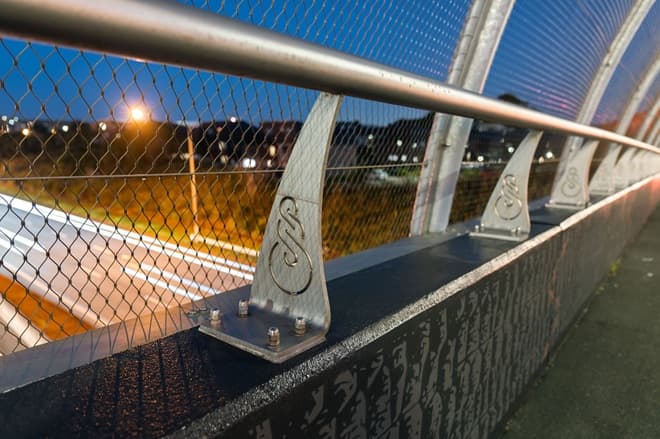
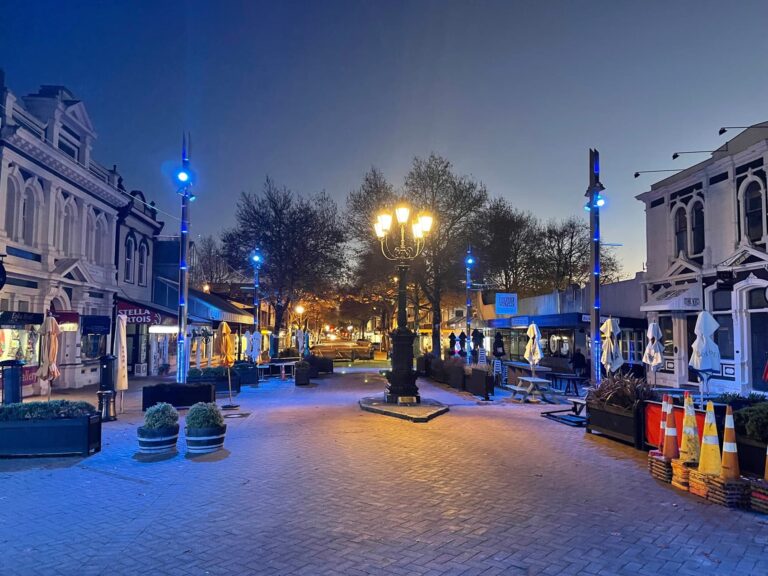
For civil projects, SRS can take full responsibility for waterfront balustrades, bridge and boardwalk elements, catenary lighting and structural rigging systems that must perform in exposed environments. Outsourcing these scopes to SRS means you get marine-informed detailing, robust coatings and installation methodologies designed around traffic management and public safety. The result is infrastructure that stands up to weather, use and time, without constant maintenance interventions.
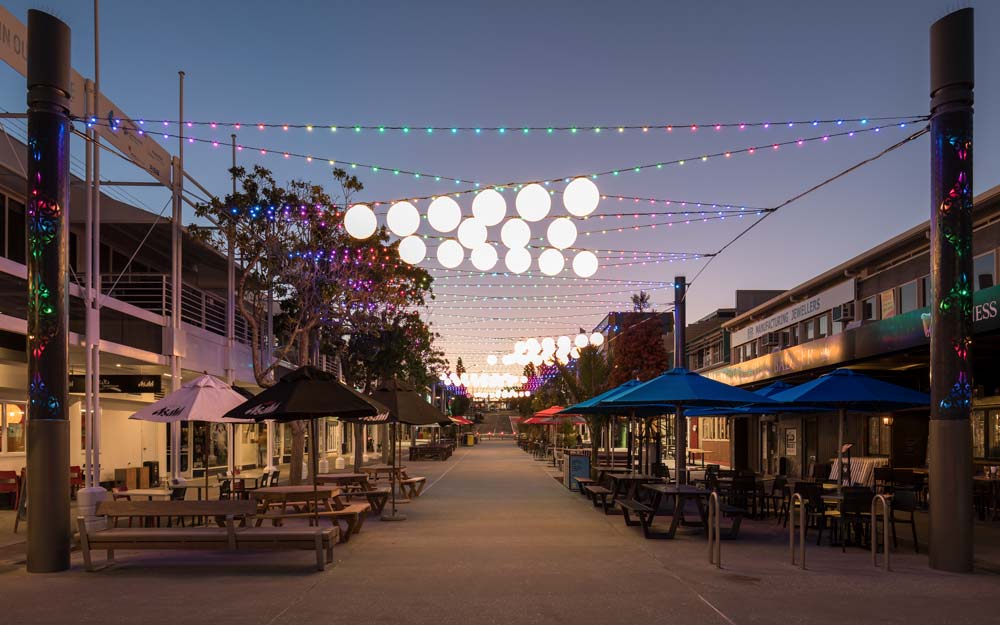
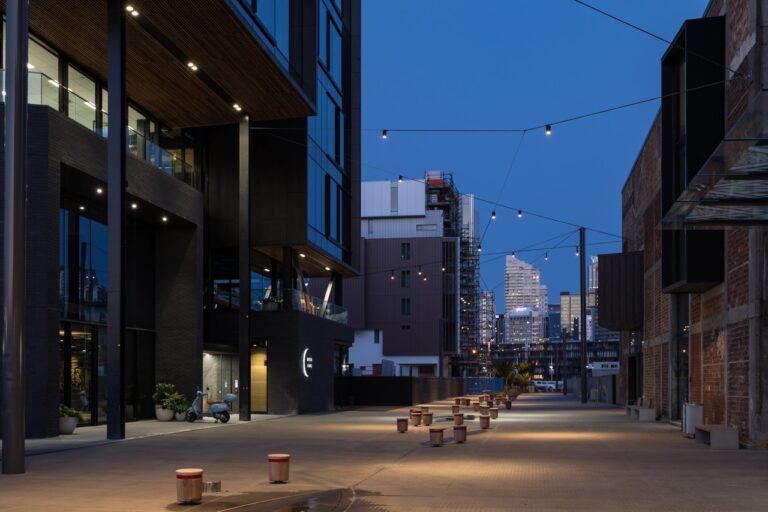
In the commercial sector, SRS supports office towers, retail centres, mixed-use developments and public facilities with integrated balustrades, screens, tensile facades and rigging-based lighting and feature structures. Construction outsourcing in this context allows developers and main contractors to offload complex detailing and coordination to a specialist team that understands both the architectural intent and the practical realities of high-rise, tight-site construction. The team works closely with architects and engineers to refine details, then executes them in the workshop and on site so that they look and perform as intended.
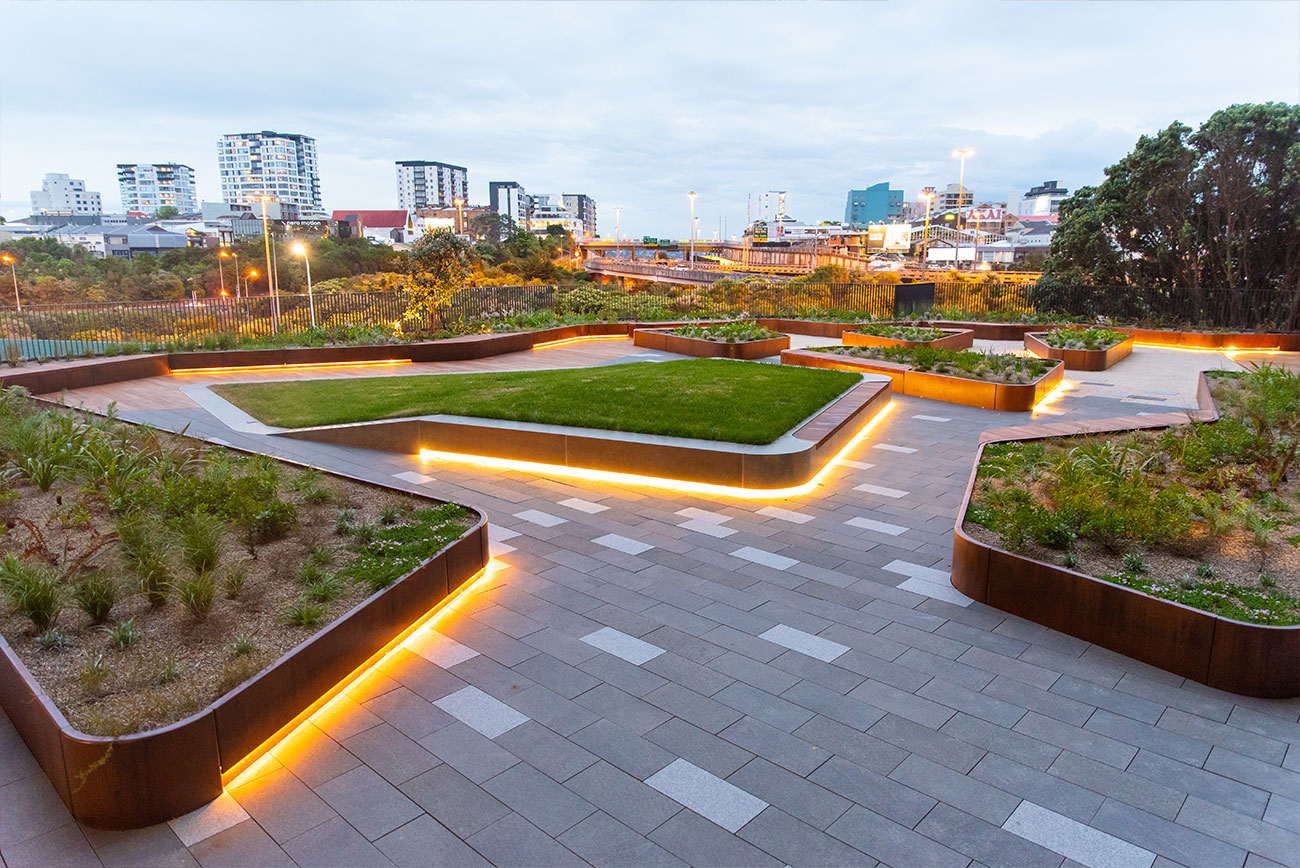
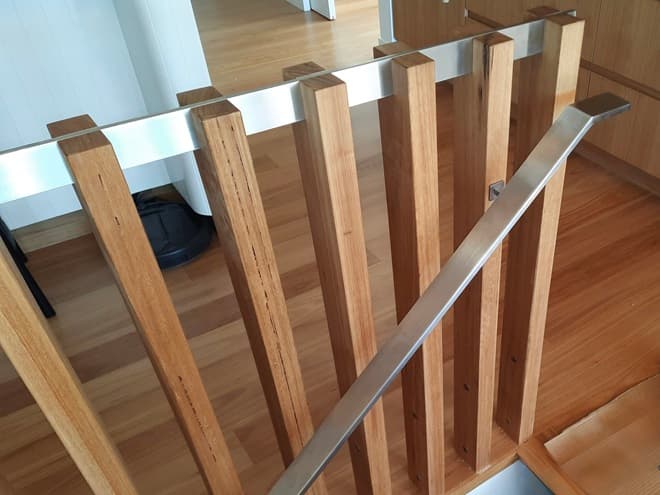
For high-end residential and luxury multi-residential projects, SRS brings the same level of craftsmanship and attention to detail that you would expect in the marine sector. Custom stair balustrades, fine cable systems, feature steel and discrete rigging solutions are all part of the company’s offering. Outsourcing to SRS in this market is about protecting the design vision while ensuring that every visible detail is structurally sound, code-compliant and built to last.
Across all markets, SRS’s value proposition is underpinned by strong leadership and a culture of accountability. With a Managing Director who has cut his teeth on complex superyacht and rigging projects, the company treats every contract as an opportunity to demonstrate what specialist outsourcing can achieve for programme, safety and quality. Clients benefit from clear communication, early involvement in design and a willingness to take ownership from first sketch to final sign-off.
Get In Touch
If you are weighing up whether to self-perform or outsource fabrication and rigging on your next project, now is the time to explore what a specialist partner can unlock. Outsourcing fabrication and rigging in Auckland to a dedicated team can help you control costs, compress programmes and lift quality across civil, commercial and high-end residential projects.
SRS Group’s fabrication and rigging solutions are designed to plug into your project in the way that suits you best, whether that means early design collaboration, full-scope delivery or targeted support on high-risk elements. To understand how construction outsourcing could streamline your next build, review the fabrication solutions available and then get in touch to discuss your specific constraints, timeframes and ambitions.
FAQs
Is outsourcing fabrication and rigging really more cost effective than doing it in-house?
In most cases, yes. When you account for the true cost of plant, supervision, training, health and safety systems and rework, outsourcing to a specialist partner is often more efficient than maintaining internal teams for intermittent workloads.
How does outsourcing help keep projects on schedule?
Outsourcing allows fabrication and rigging work to be completed off site in parallel with other trades. Specialist teams can also scale resources to meet critical path dates and complete installations faster, reducing the risk of delays.
What if my project has very specific design requirements?
Specialist outsourcing partners are used to working with complex, architecturally driven designs. They can collaborate early with your design team to refine details, provide constructability feedback and then deliver those details accurately in the workshop and on site.
Is outsourcing suitable for small or high-end residential projects, or only for large civil and commercial jobs?
Outsourcing works at all scales. High-end residential projects, in particular, benefit from specialist fabrication and rigging, because the visual standards are so high and the tolerance for defects is so low.
When should I involve an outsourcing partner in my project?
The best results come when you involve your fabrication and rigging partner during concept or early design. That gives them time to understand your goals, identify risks and propose solutions that support both buildability and long-term performance.