The fabrication and rigging industry is accelerating towards digital precision, sustainable materials and intelligent systems that redefine how construction projects in Auckland are delivered. Fabrication trends such as advanced robotics, AI-driven design and hybrid material systems are converging with rigging innovations like sensor-monitored tensioning and modular assemblies to create lighter, safer and more adaptable structures for civil, commercial and high-end residential applications.
The evolving construction industry
Construction is undergoing a fundamental shift driven by technology, sustainability imperatives and rising expectations for performance. Globally, the sector is embracing digital tools that compress design and delivery timelines while improving quality and reducing waste. In Auckland, where urban density, seismic demands and coastal exposure create unique pressures, these changes are not optional. They are essential for staying competitive.
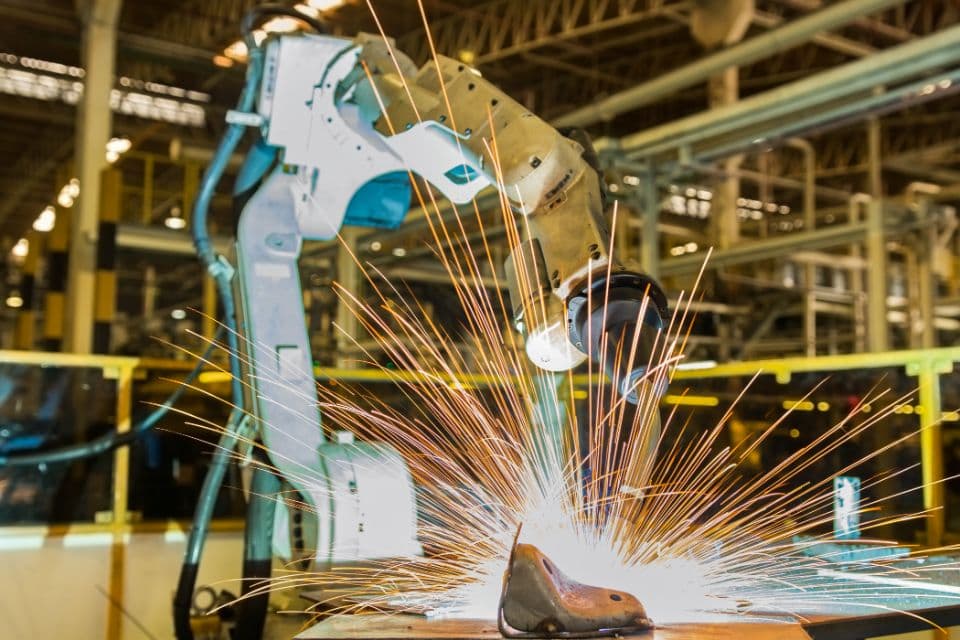
Fabrication trends are moving beyond traditional metalworking into a broader ecosystem of advanced manufacturing. Digital fabrication now integrates 3D modelling, automated cutting, robotic welding and real-time quality control to produce components that arrive on site ready to install. This evolution supports the construction technology push towards modular, off-site assembly, which can reduce overall build times by up to 30 per cent according to industry benchmarks.
Rigging is following a similar trajectory. What was once primarily a manual, experience-based discipline now incorporates load monitoring sensors, predictive analytics and prefabricated tension systems that can be deployed rapidly across complex geometries. For Auckland construction trends, these developments mean project teams can tackle constrained sites, live environments and heritage interfaces with greater confidence and less disruption.
Emerging fabrication technologies
Digital fabrication is transforming workshops from craft spaces into precision manufacturing centres. CNC plasma and laser cutting, automated bending and robotic welding now produce components with tolerances measured in fractions of a millimetre. This level of accuracy eliminates on-site adjustments, which traditionally account for significant labour and time in steel installation.
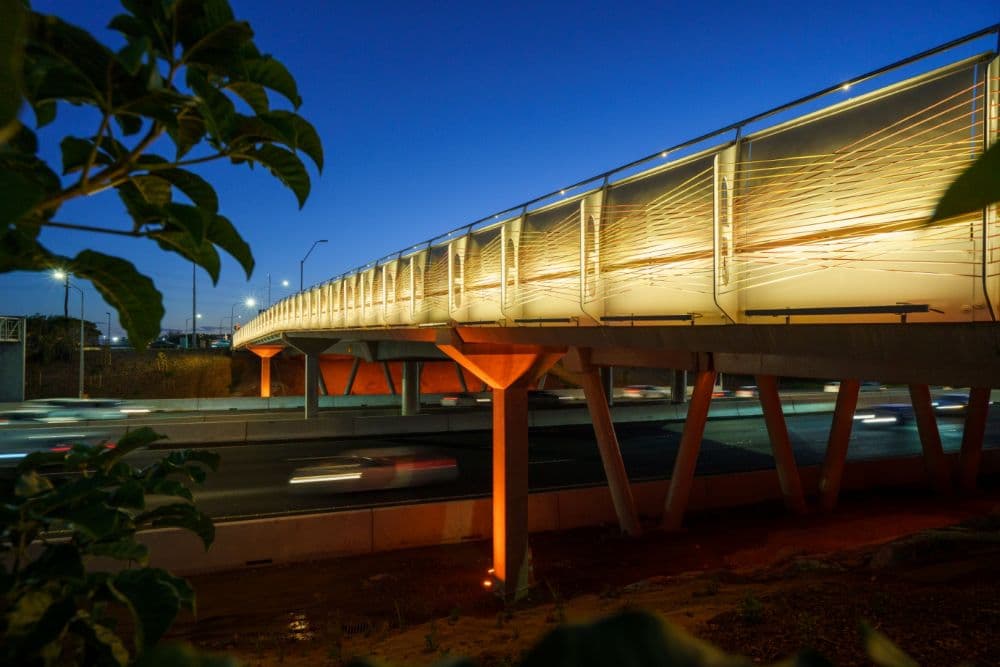
One of the most promising fabrication trends is hybrid material systems. Combining traditional metals with advanced composites, fibre-reinforced polymers and ultra-high-strength concrete creates structures that are lighter yet stronger. For civil projects like pedestrian bridges and waterfront infrastructure, these hybrids reduce foundation loads and transportation challenges. Commercial developments benefit from facade systems that integrate structural performance with aesthetic flexibility. High-end residential applications find value in bespoke features that balance visual refinement with durability.
Additive manufacturing, or 3D printing, is moving beyond prototypes into functional components. Metal 3D printing enables complex internal geometries and integrated connection details that would be impossible or prohibitively expensive with conventional methods. In Auckland’s marine environment, printed corrosion-resistant fittings and custom anchors offer significant lifecycle advantages.
AI and generative design are also reshaping fabrication. Algorithms can now optimise material usage, explore thousands of structural configurations and generate construction-ready details in hours rather than weeks. This capability accelerates value engineering while ensuring compliance with local seismic codes and wind loading requirements.
Innovative rigging techniques
Rigging innovations are expanding the possibilities for architectural expression and structural efficiency. Parametric rigging systems use computational modelling to create complex, curved tension networks for canopies, facades and spatial dividers. These systems distribute loads evenly across minimal anchor points, reducing the need for heavy steel supports.
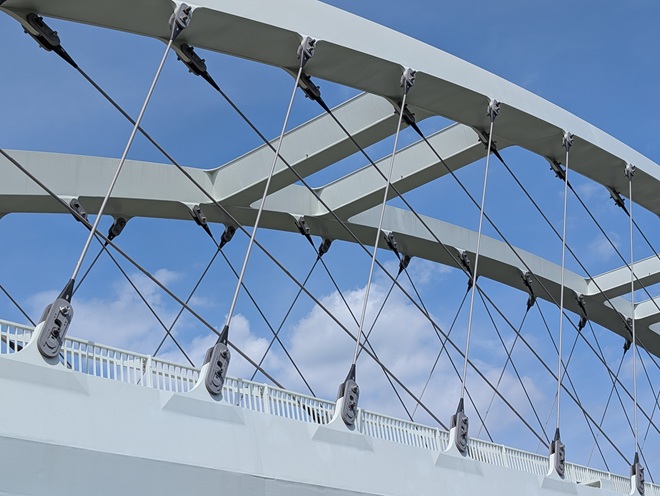
Sensor-integrated rigging represents a major leap forward. Real-time tension monitoring, vibration analysis and environmental data collection allow systems to self-report performance and alert maintenance teams to potential issues before they become problems. For critical civil infrastructure like pedestrian bridges and public realm features, this technology provides unprecedented visibility into long-term behaviour.
Modular rigging kits are another practical innovation. Pre-engineered, swappable components enable rapid deployment and reconfiguration. Commercial projects can install temporary market canopies or event structures that convert seamlessly into permanent installations. High-end residential developments use modular systems for pergolas, privacy screens and lighting grids that adapt to changing lifestyle needs.
Sustainable rigging materials are gaining traction. Bio-based fibres, recyclable high-strength synthetics and circular economy fittings reduce environmental impact while maintaining or exceeding traditional performance. These materials align with Auckland’s green building mandates and appeal to clients prioritising ESG credentials.
The impact of technology on safety
Safety improvements from construction technology are profound and multifaceted. Digital twin technology creates virtual models of entire rigging and fabrication systems, allowing teams to simulate installation sequences, identify clashes and rehearse high-risk lifts before any steel leaves the workshop. This virtual planning reduces on-site improvisation, which is a leading cause of incidents.
Robotic fabrication minimises human exposure to hazardous workshop processes like welding fumes, heavy lifting and repetitive strain. On site, automated tensioning equipment and drone-based inspections replace manual checks at height, significantly lowering fall risks.
For rigging specifically, the combination of sensors, IoT connectivity and AI analytics creates predictive safety systems. Machine learning models trained on decades of performance data can flag anomalies in cable tension, anchor movement or environmental loading patterns. Civil asset owners gain confidence that their structures remain within design parameters. Commercial operators receive alerts about heavy foot traffic or unexpected wind events. Residential clients enjoy peace of mind knowing their architectural features are continuously monitored.
These technologies also support better training and compliance. Augmented reality overlays provide real-time guidance during complex installations. VR simulations prepare riggers for site-specific challenges. Blockchain-based material tracking ensures every component meets traceability requirements from mill to installation.
SRS Group’s forward-looking approach
SRS Group embraces these fabrication trends and rigging innovations as natural extensions of its core philosophy: delivering marine-grade precision to construction challenges. Managing Director Luke Tempest, whose background spans complex superyacht engineering and architectural rigging, ensures the company stays ahead of industry developments through strategic partnerships and continuous investment.
The team regularly engages with global leaders in digital fabrication and sensor technology, adapting proven solutions to Auckland’s unique regulatory and environmental context. Recent workshop upgrades include advanced CNC capabilities and initial forays into hybrid material testing, positioning SRS to deliver next-generation components for civil infrastructure, commercial landmarks and luxury residences.
This commitment to innovation differentiates SRS in the Auckland market. Rather than reacting to trends, the company proactively integrates construction technology into client solutions, collaborating with architects and engineers to push design boundaries while maintaining practical buildability and code compliance.
The future of fabrication and rigging
Looking ahead, convergence will define the future of construction. Fabrication and rigging will integrate seamlessly with building information modelling, robotics, and artificial intelligence to create fully digital supply chains. Components will arrive on site with embedded digital passports containing fabrication history, performance specifications and maintenance schedules.
Sustainability will drive material innovation. Expect widespread adoption of carbon-capturing concretes, recyclable super-alloys and tension systems derived from agricultural waste. Circular design principles will ensure components remain valuable assets throughout their lifecycle, not waste at end-of-life.
Auckland construction trends will emphasise resilience and adaptability. Multi-hazard structures capable of withstanding earthquakes, cyclones and flooding will become standard. Smart materials that self-heal micro-cracks or adjust stiffness based on loading conditions will enhance long-term performance.
Workforce evolution will parallel technological change. Augmented workers combining human judgment with digital enhancement will handle increasingly complex installations. Continuous learning platforms will keep skills current across rapidly evolving toolsets.
For SRS Group, this future represents an expanded opportunity to serve clients who demand excellence. The company’s integrated model – spanning design, fabrication, rigging and installation – positions it perfectly to deliver these next-generation solutions across civil, commercial and residential markets.
Get In Touch
The pace of change in fabrication trends and rigging innovations means yesterday’s solutions quickly become tomorrow’s limitations. For Auckland projects seeking a competitive advantage through construction technology, partnering with forward-thinking specialists is essential.
Explore SRS Group’s fabrication capabilities to understand how emerging technologies can enhance your next civil infrastructure, commercial development or high-end residential project. The team welcomes collaboration with architects, engineers and contractors who share a vision for the future of construction.
Contact SRS today to discuss how digital fabrication, smart rigging and sustainable materials can elevate your project while addressing Auckland’s unique challenges and opportunities.
FAQs
What are the most impactful fabrication trends for Auckland construction?
Digital fabrication combining CNC precision, robotic welding and AI optimisation delivers components with unmatched accuracy and efficiency. Hybrid materials reduce weight while enhancing durability, crucial for seismic and coastal environments.
How do rigging innovations improve project safety?
Sensor-monitored tensioning, predictive analytics and digital twins enable real-time performance monitoring and proactive maintenance. These systems reduce installation risks and provide asset owners with unprecedented visibility into structural health.
Are these advanced technologies cost-effective for smaller projects?
Absolutely. Digital tools reduce material waste and labour costs. Modular systems accelerate installation. The efficiency gains often outweigh upfront technology costs, especially for high-end residential and complex commercial work.
How does SRS Group stay ahead of construction technology developments?
Strategic global partnerships, continuous workshop investment and leadership from marine engineering experts ensure SRS integrates proven innovations with practical Auckland-focused solutions. The team regularly tests emerging technologies on live projects.
When should I involve specialists in future-focused fabrication and rigging?
From concept design. Early collaboration unlocks generative design optimisation, constructability improvements and value engineering that conventional approaches miss. This integrated approach maximises technology benefits across the project lifecycle.