
Quality fabrication is one of the quiet forces that determines whether construction in Auckland runs on time, stays safe, and performs for decades. When fabrication is treated as a precision engineering discipline rather than a commodity, projects gain measurable advantages in structural integrity, programme certainty and whole-of-life value. SRS Group’s dedicated fabrication division combines marine-grade craftsmanship with architectural rigging expertise to deliver that level of assurance for civil, commercial and high-end residential projects across construction in Auckland and beyond.
Introduction to Fabrication in Construction
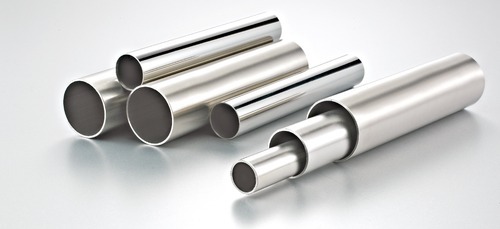
In modern construction, fabrication sits at the critical junction between design and delivery. It’s where concepts become the metal, glass and mesh that hold a structure together. In technical terms, metal fabrication is the creation of metal structures by cutting, bending and assembling processes, typically undertaken in a specialist workshop before components are transported to site.
Unlike generic manufacturing, which focuses on high-volume, standardised products, fabrication is a project-specific, value-added process that turns raw materials into bespoke machines, parts and structural assemblies tailored to each build. For Auckland fabrication, this can mean stainless steel balustrades on a marine waterfront, custom aluminium features in a village centre, or complex support structures in hospitals and retirement living environments.
From an engineering perspective, fabrication sits alongside wider metalworking and manufacturing disciplines but is distinguished by its integration with structural design, welding standards and installation methodology. This is why the choice of fabrication partner in Auckland is no longer a purely cost-driven decision; it is a strategic call that affects safety, compliance and how the finished building feels and performs for people who use it every day.
The Impact of Poor Fabrication
Poor quality fabrication shows up where it hurts most: in delays, safety risks and reduced structural integrity that can be expensive to reverse once steel is on site. Misaligned components, out-of-tolerance welds or incorrect coatings can trigger rework, hold up follow-on trades and compromise the performance of critical elements like balustrades, canopies and lighting supports.
Industry research in New Zealand shows that well-coordinated structural steel fabrication can shorten overall programmes for multi-level commercial projects by around 10 to 15 per cent; the inverse is that poorly coordinated or low-quality fabrication removes those gains and often introduces additional risk. Where fabrication does not meet standards such as AS/NZS 1554 for welding and structural steel, the result can be reduced capacity under load, vulnerability in seismic events and premature corrosion; serious issues in a region that demands robust performance from its built environment.
There is also a reputational risk for developers and contractors when architectural elements fail to live up to the design intent due to fabrication shortcuts. Visible defects in balustrades, mesh systems or feature structures quickly undermine the perception of quality in premium spaces. In public-facing projects in particular, such as transport hubs, zoos and waterfront promenades, fabrication failures can have direct consequences for public safety and access, as well as cost implications when areas must be closed for remedial work.
The Benefits of Quality Fabrication
High-quality fabrication services deliver a different trajectory for a project; components arrive on site that are dimensionally accurate, correctly coated, and ready to install without modification. This improves erection speed, reduces clashes and supports safer workflows for installers, who can rely on pre-engineered connections and proven details instead of improvising fixes at height or under time pressure.
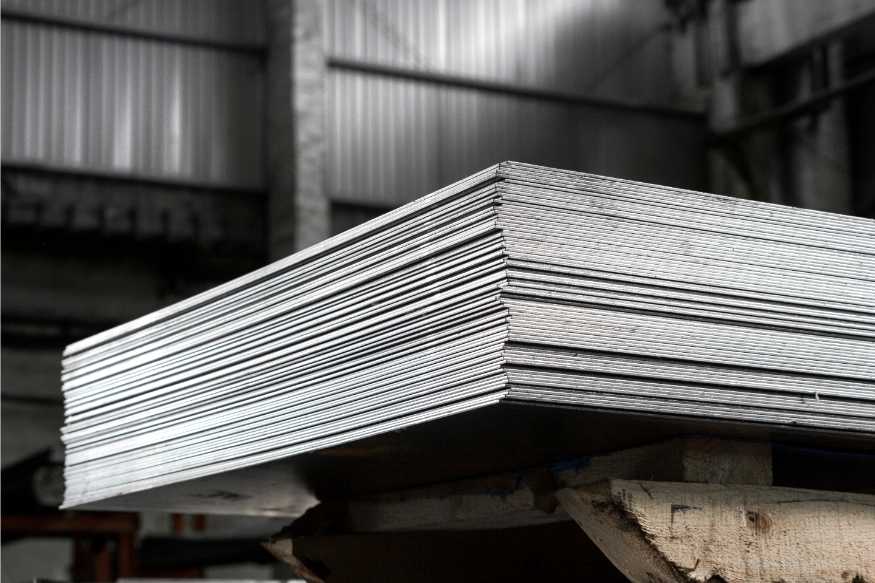
From a durability perspective, the right choice of materials and surface treatments in fabrication contributes directly to long-term structural integrity. Stainless steel and well-specified protective coatings can significantly extend service life and reduce maintenance cycles, especially in coastal and marine environments such as Auckland’s waterfront. Structural steel itself offers excellent strength-to-weight performance and is highly recyclable, supporting both resilience and sustainability goals in New Zealand’s construction sector.
Quality fabrication also adds architectural value; well-crafted metalwork, tensile mesh and bespoke features become part of the identity of a place, enhancing the visual and tactile experience for users. For clients, that combination of aesthetics and performance translates into assets that are more attractive to tenants and visitors, while also being easier to maintain over the life of the building or public space.
SRS’s Commitment to Quality
SRS Group has built its reputation in construction in Auckland by treating fabrication as a specialist discipline that must meet the same standard as superyacht engineering; every weld, cut and fixing is expected to perform in demanding environments over decades, not just to pass inspection on day one. The in-house fabrication division brings more than three and a half decades of welding, cutting, forming and machining expertise, working across mild steel, aluminium and stainless steel for civil, commercial and high-end residential projects.
The company’s founder and Managing Director, Luke Tempest, brings a background in marine engineering and rigging that informs a rigorous approach to detailing, load paths and materials selection for Auckland fabrication projects. His decision to visit Carl Stahl’s ISO-certified manufacturing facilities in Germany to review production processes firsthand underlines a commitment to global best practice and to integrating world-class components into local projects.
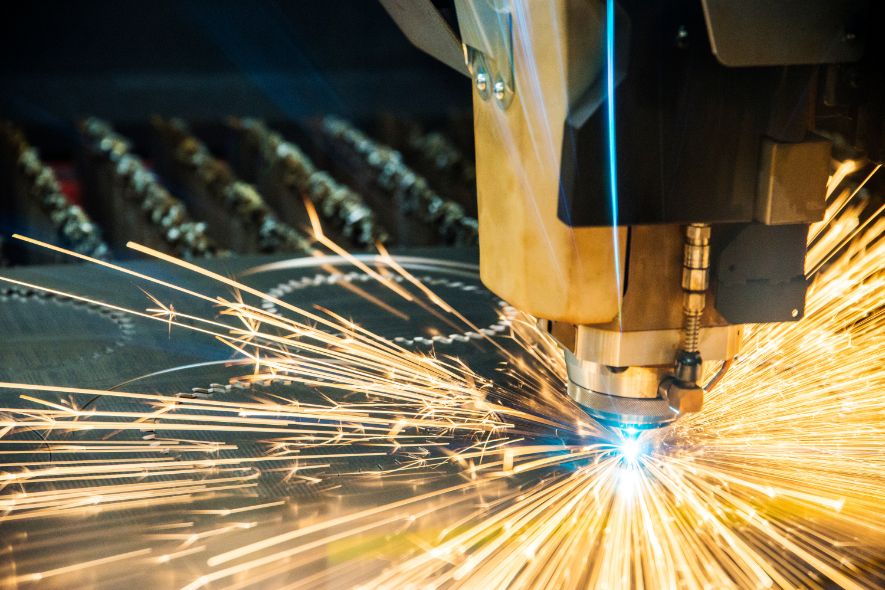
Within the fabrication team, leadership from specialists such as the dedicated Fabrication Manager, Sven, ensures that shop drawings, QA processes and on-site installation are tightly integrated; all with the goal of delivering a continuous line of accountability from design concept through to the last fix on site. SRS complements this with in-house project managers, QS professionals and CAD designers, which enables the business to offer full-scope fabrication services in Auckland and beyond, from early design collaboration to final commissioning.
Case Studies of Successful Projects
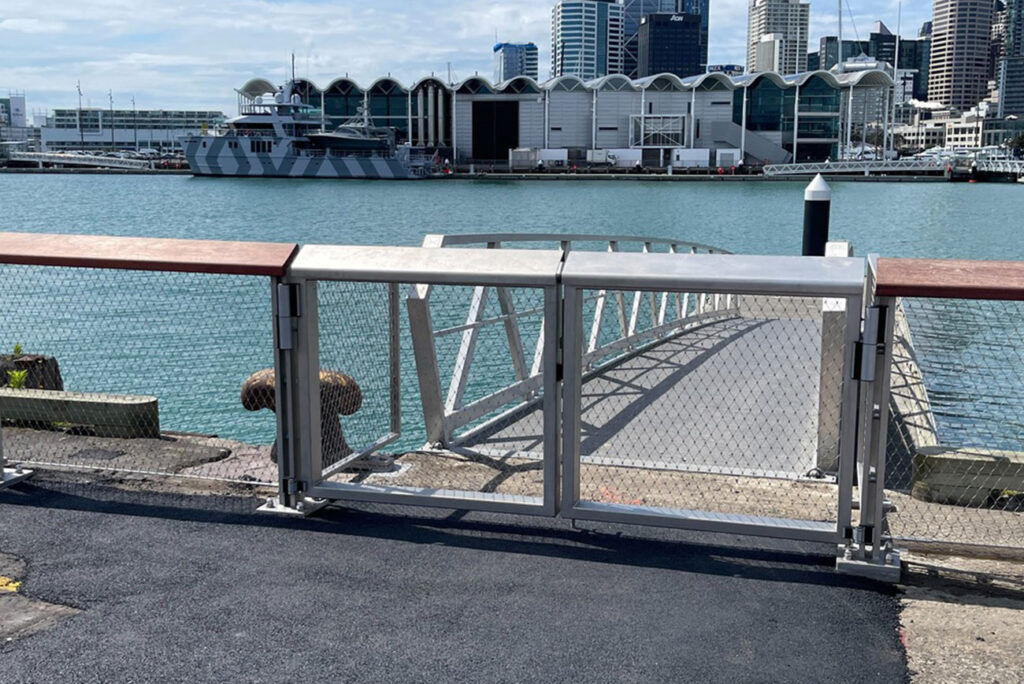
Quality fabrication becomes most visible when it is tested in complex, highly public environments. On Queens Wharf in central Auckland, SRS has been integral to the evolution of the waterfront, delivering marine-grade stainless steel balustrade structures that combine fall protection with clean sightlines and a concealed fixing system, all while maintaining public access throughout construction. This level of precision in off-site fabrication and installation is critical when tying new metalwork into heritage structures and ensuring long-term performance in a harsh marine setting.
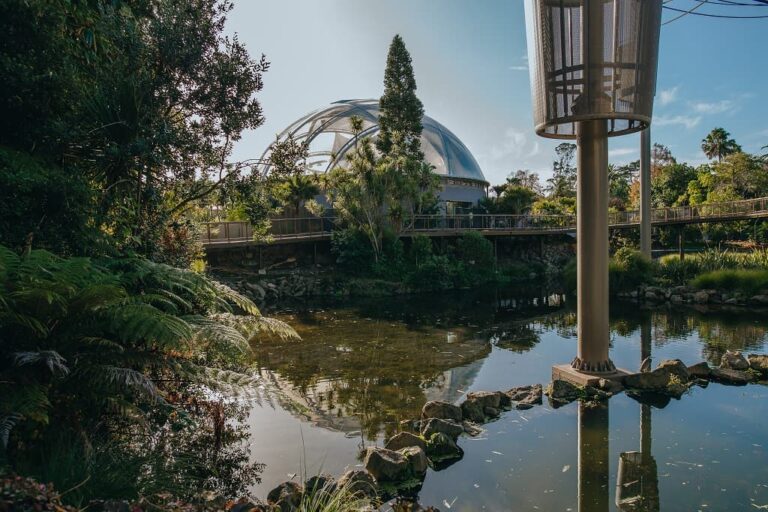
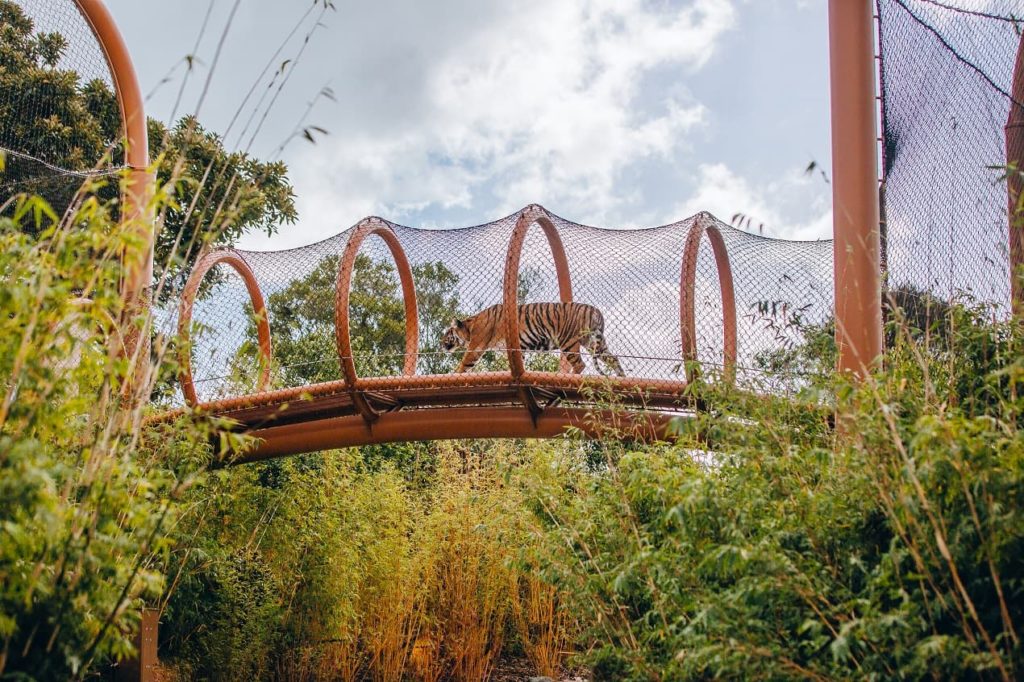
At Auckland Zoo’s South East Asia Jungle Track, SRS delivered a suite of fabrication and rigging solutions, including snaking boardwalk balustrades, trellis systems and complex animal habitat infrastructure designed to serve staff, animals and visitors for at least the next 50 years. The zoo’s project leadership specifically highlights the team’s clarity of thought, design innovation and attention to operational needs, demonstrating how robust fabrication underpins both animal welfare and visitor experience across a multi-stakeholder environment.
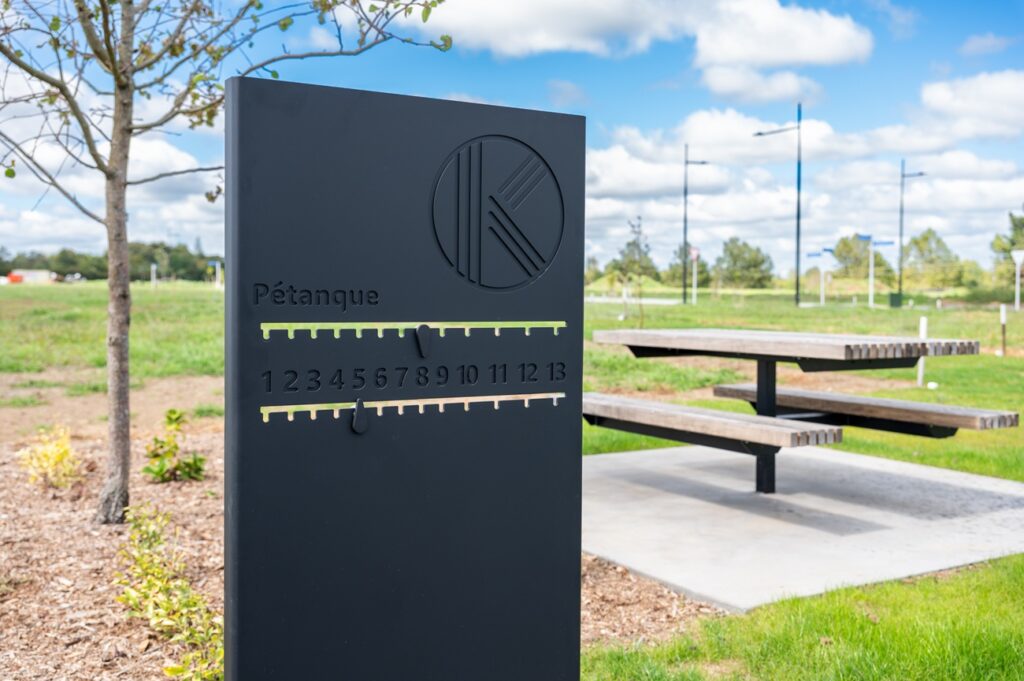
In South Auckland, projects such as the Karaka Village custom aluminium totem feature and clock tower showcase the role of bespoke fabrication in creating landmarks that help define a precinct. These highly visible elements rely on precision joining, weather-resistant finishes and careful coordination with surrounding structures, ensuring that the finished pieces look effortless while quietly meeting engineering and maintenance requirements.
For aged care and retirement living, details matter. At Everil Orr Retirement Village in Mount Albert, SRS has contributed to a redeveloped environment designed to be fit-for-purpose and future-proof, aligning with the operator’s goal of providing a high-quality, long-term community setting for residents. In these contexts, quality fabrication supports safe circulation, comfortable communal spaces and a refined finish that matches the expectations of residents and their families.
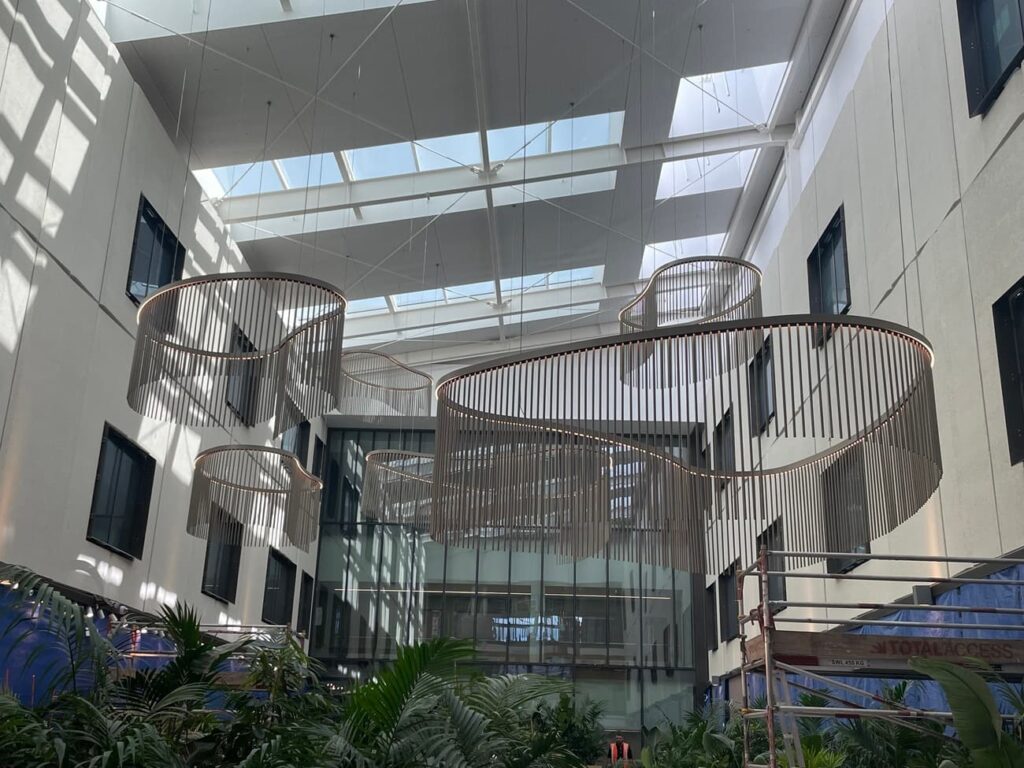
Healthcare is another sector where the link between fabrication and structural integrity is non-negotiable. At the new Tōtara Haumaru building on Auckland’s North Shore Hospital campus, which has been designed and built to an Importance Level 4 rating so it remains operational after major events, specialist metalwork such as lighting supports must integrate seamlessly with heavy services and advanced medical equipment. SRS’s fabrication and rigging skillset is well aligned to these environments, where precise coordination and robust detailing are essential to meet strict performance and seismic standards.
Across all of these projects, a consistent theme is that SRS’s fabrication work does not stand alone; it is integrated with architectural rigging, tensile mesh and structural systems to deliver cohesive solutions that are tailored to each site. That integrated capability, backed by long-term industry partnerships and a commitment to ongoing innovation, is a key differentiator in the Auckland fabrication market.
Why Fabrication Quality Matters for Construction Clients
For developers, main contractors and asset owners, the difference between adequate and exceptional fabrication is not just visible in the finished product; it shows up on the balance sheet and in risk profiles over the entire life of a project. High-quality, well-coordinated fabrication reduces on-site rework, helps protect programme dates and supports safer, more efficient installation methodologies that comply with evolving New Zealand standards.
Over the long term, buildings that benefit from robust metal fabrication and carefully selected materials perform better under environmental exposure and seismic loading, reducing the likelihood of early replacement or expensive remedial works. In markets such as healthcare, retirement living, entertainment and city-shaping public infrastructure, this level of resilience is not a nice-to-have; it is part of the social licence to operate.
Partnering with a specialist team that understands both the technical and aesthetic demands of fabrication services in Auckland and beyond allows project teams to unlock additional value in their designs and to deliver spaces that feel considered, safe and enduring to end users. When fabrication is approached as a strategic asset rather than a commodity, it becomes a lever for better outcomes across the full spectrum of construction.
Conclusion and Next Steps
If you are planning a new build, refurbishment or complex upgrade in Auckland and want fabrication that supports structural integrity, programme confidence and design ambition, it makes sense to engage specialists early. Exploring our dedicated fabrication solution page is a practical first step to understand how bespoke metalwork, balustrades and rigging can be integrated into your project from concept through to installation.
SRS Group’s team is available to review drawings, workshop concepts, and collaborate with your architects, engineers, and contractors to develop fabrication packages that are buildable, durable, and aligned with your budget and timelines. To discuss how quality fabrication can support your next project, get in touch with the SRS team and tap into a depth of expertise that has been proven on some of the region’s most demanding civil, commercial and public-facing environments.
FAQs
What is metal fabrication in construction?
Metal fabrication is the creation of metal structures by cutting, bending and assembling processes, typically in a workshop environment, based on engineering drawings for each project. In construction, it is used for everything from structural frames and service supports to balustrades, feature elements and tensile mesh systems.
How does quality fabrication improve structural integrity?
Quality fabrication ensures that materials, welds, tolerances and coatings meet or exceed relevant standards for strength, durability and seismic performance, which directly supports structural integrity. Well-fabricated components behave as the engineer intended under load, reducing the risk of failures, excessive deflection or premature corrosion over time.
Why should fabrication services be involved early in design?
Engaging fabricators early helps align design intent with buildability, allowing details, connection types and material choices to be optimised before shop drawings are issued. This reduces redesign, minimises clashes and shortens construction programmes by making better use of off-site manufacturing capabilities.
What makes SRS Group different from other fabrication providers?
SRS combines specialist fabrication with architectural rigging and tensile mesh expertise, supported by in-house project management, QS and CAD capability for truly end-to-end delivery. The team’s marine and superyacht background, along with world-class supplier partnerships, reinforces a culture of precision and long-term performance across all projects.
Which sectors benefit most from high-quality fabrication in Auckland?
Sectors that demand high safety and durability, such as healthcare, transport, public infrastructure, zoos and retirement living, gain significant value from high-quality fabrication. High-end residential, commercial offices and mixed-use developments also rely on bespoke metalwork and balustrades to deliver the visual and functional quality tenants expect.