Auckland’s construction environment is defined by fast-changing weather, constrained urban and coastal sites, and pressure on specialist skills and materials. Auckland construction challenges can be turned into opportunities when you combine precise planning with innovative construction solutions such as architectural rigging, tensile systems and bespoke fabrication, delivered by a team that understands how to build safely and efficiently in these conditions. SRS Group brings superyacht-level discipline to construction in Auckland, using integrated solutions and seasoned project leadership to keep complex projects moving even when Auckland weather conditions and construction site constraints are working against you.
Auckland’s unique construction environment
Auckland’s position between the Tasman Sea and the Pacific Ocean gives it a temperate maritime climate with mild temperatures, high humidity and around 1,200 mm of rainfall a year. Winter months from May to September tend to be wetter, with frequent showers that can quickly turn earthworks, foundations and external works into weather-dependent operations that need careful choreography.
The city is also known for its variable conditions; it is not unusual to experience multiple weather shifts in a single day, which has direct implications for programming crane lifts, concrete pours and high-risk work at height. At the same time, construction in Auckland often happens on tight CBD sites, coastal edges or brownfield locations where access, storage and staging space are limited, especially when projects must maintain public access or keep existing operations running.
Auckland’s growth brings additional complexity, with increased demand for housing, healthcare, retirement living and transport infrastructure placing pressure on supply chains and specialist trades. For project leaders and asset owners, the question is not whether these Auckland construction challenges will show up, but how well their partners are prepared to manage them without compromising safety, quality or budget.
Common challenges faced by construction companies
The first and most visible challenge is Auckland weather conditions. Consistent rainfall and sudden downpours can delay earthworks, foundation preparation and external finishes, while high humidity influences curing times for concrete, sealants and coatings. Wind is another factor, especially on exposed waterfront or elevated sites, where strong gusts restrict crane operations, cladding installation and any rigging or fabrication work at height.
Construction site constraints are equally significant. Many urban sites offer minimal laydown space, narrow access ways and limited options for scaffolding or heavy lifting, which makes conventional “build from the ground up” approaches less efficient and sometimes impractical. Projects in live environments such as zoos, hospitals, retirement villages and waterfront promenades must also maintain safe public access and keep operations running, which places strict limits on working hours, noise, and temporary closures.
Resource availability adds another layer. The construction sector across New Zealand has been dealing with capacity constraints in some trades and periodic issues with the supply of specialist materials, especially imported products. When you combine those pressures with tighter regulations around safety, seismic performance and climate resilience, it becomes clear that solving Auckland construction challenges requires more than simply “working harder” on site. It demands smarter planning and genuinely innovative construction solutions.
SRS Group’s approach to overcoming challenges
SRS Group was founded to bring superyacht standards of planning, precision and problem-solving into the construction space, and that mindset is central to how the team approaches Auckland construction challenges. As Managing Director, Luke Tempest draws on experience running multi-million dollar refits and complex rigging projects in dynamic marine environments, where weather, logistics and safety are non-negotiable factors in every decision.
At a practical level, SRS tackles Auckland weather conditions by prioritising off-site fabrication, pre-assembly and modular thinking, which moves as much work as possible into controlled workshop environments before components ever reach site. Architectural rigging systems, tensile mesh, balustrades and bespoke steel elements are manufactured and trial-fitted in-house so that on-site installation windows can be shorter, safer and less exposed to sudden weather changes.

When construction site constraints are the primary issue, SRS leans on its integrated service model. The company combines consultancy, design, CAD modelling, fabrication and installation under one roof, which allows us to design buildable solutions tailored to tight access, limited crane capacity and sensitive public interfaces. Lightweight tensile systems, catenary lighting, and rigging-based supports often replace heavier structural approaches, reducing the amount of steel, scaffolding and lifting required while still meeting strict engineering and safety requirements.
Communication is another differentiator. SRS is used to working with programme-focused project managers and risk-conscious asset owners who need confidence that disruption will be minimised. By engaging early, the team can model construction staging, identify high-risk interfaces and propose alternative sequences or details that keep work progressing even when the weather or supply chain shifts unexpectedly. This approach is especially valuable for clients who must maintain business-as-usual operations during construction.
Case studies of successful projects
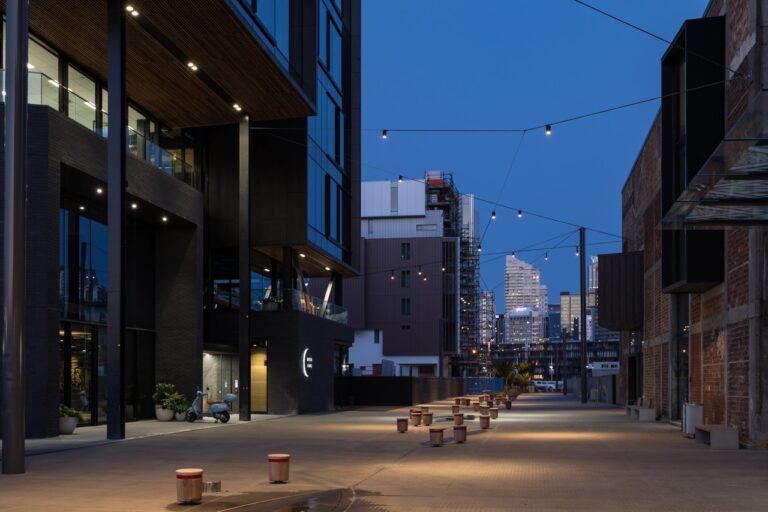
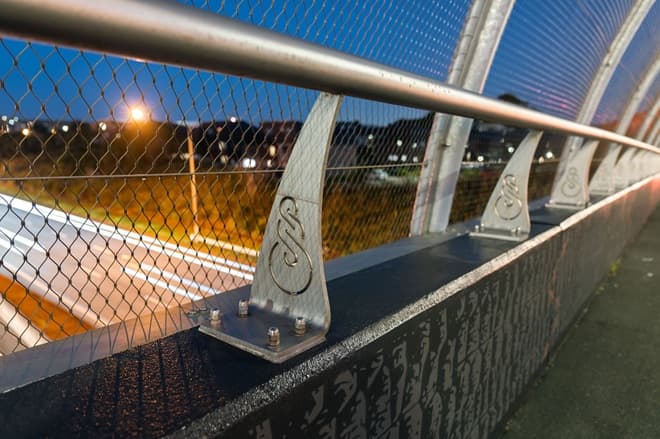
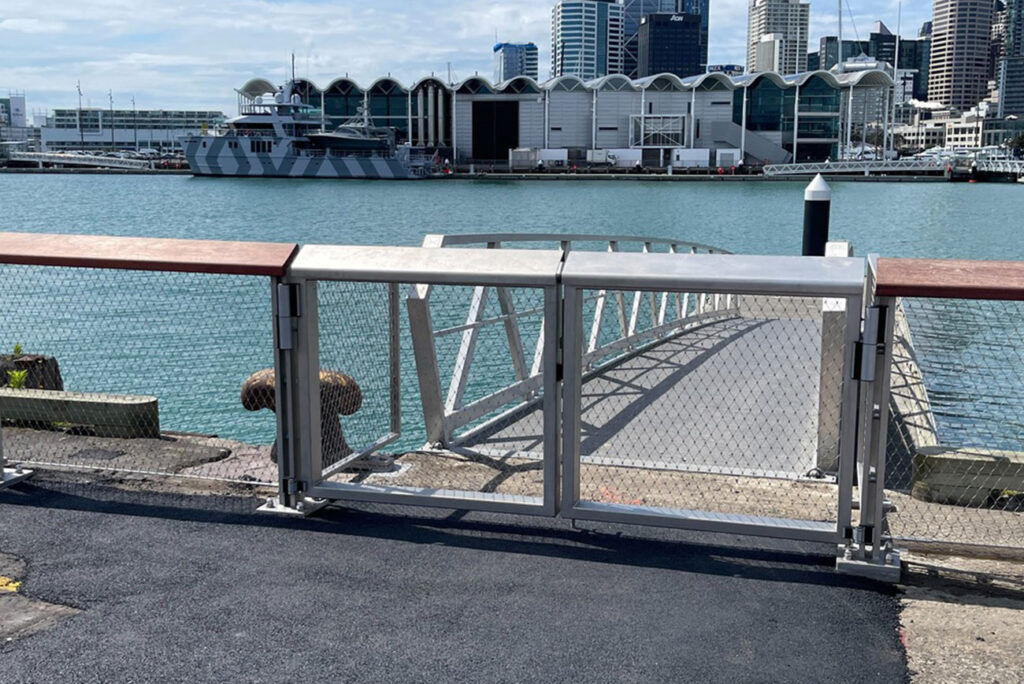
On Auckland’s waterfront, SRS has contributed to projects where the combination of marine exposure, public access and heritage constraints represents the full spectrum of Auckland construction challenges. Architectural rigging and bespoke balustrade solutions have been used along wharf edges to provide fall protection, guide pedestrian movement and frame views, all while standing up to salt-laden winds and continuous foot traffic. These solutions rely on rigorous off-site fabrication and carefully staged installation so that public areas remain open and safe throughout the works.
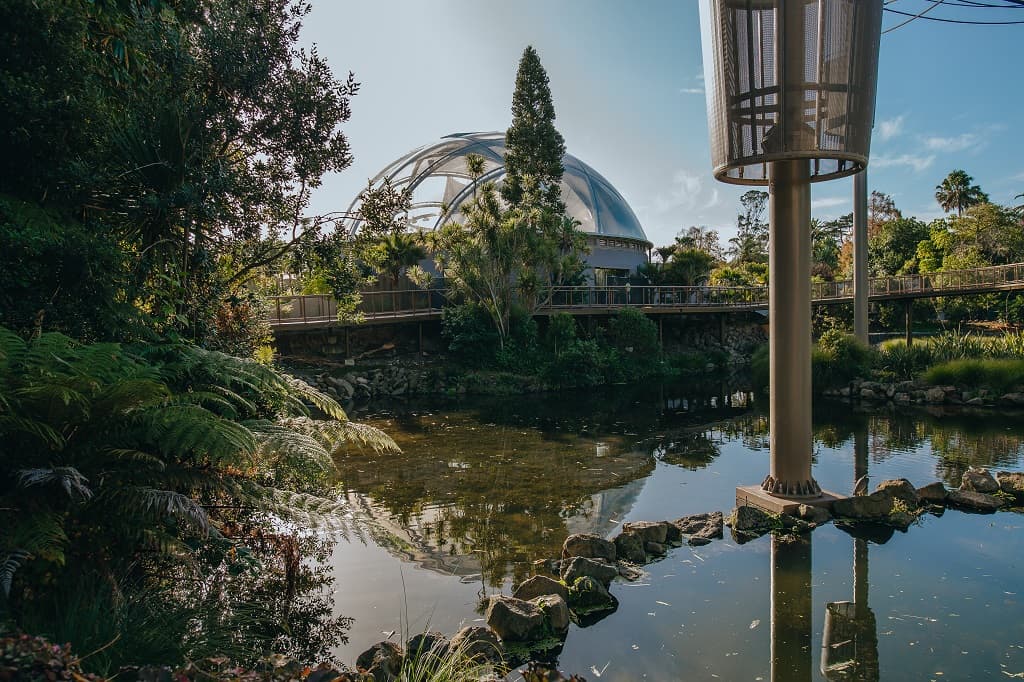
In a large zoological environment, SRS has delivered multi-faceted rigging and metalwork packages that support elevated walkways, animal habitats and visitor viewing platforms within a constrained, live site. Here, construction site constraints were extreme, as works had to integrate with existing habitats, complex plant, and daily operations that could not simply pause for construction. Through early collaboration with the wider project team, SRS helped develop build sequences that used tensioned systems, prefabricated elements and flexible access strategies to minimise impact on animals, staff and visitors.
Healthcare projects illustrate another dimension of Auckland construction challenges. Hospital campuses often require the delivery of new structures, canopies, lighting supports or access solutions within tight, fully operational environments. SRS has supported projects of this type through custom rigging, tensile mesh and metalwork that can be installed in short shutdown windows and heavy service zones, working around strict hygiene and safety protocols. In such settings, innovative construction solutions, such as lightweight tensioned structures or rigging-based support systems, enable upgrades without major interruptions to critical healthcare services.
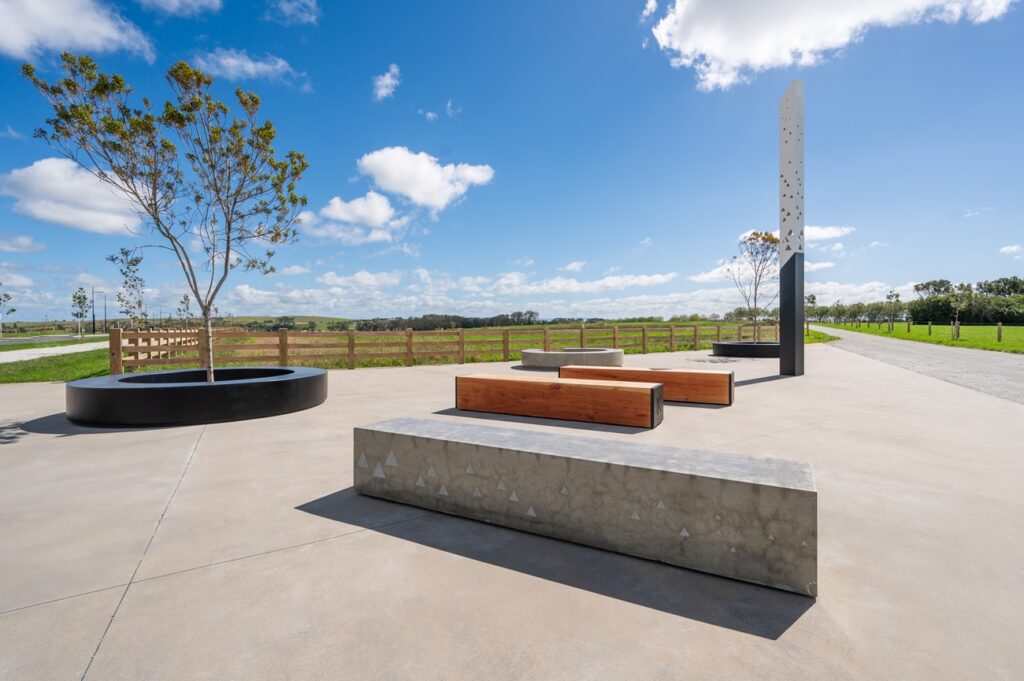
Retirement living and community developments add further complexity, as they blend residential amenity with higher safety expectations and long-term durability requirements. In these projects, SRS’s ability to design and deliver balustrades, screens, catenary lighting and feature structures that can stand up to decades of use while maintaining a welcoming aesthetic is central to the overall success of the environment. Importantly, installation needs to respect residents and staff, with minimal noise, clear communication and safe temporary arrangements during works.
Across these diverse examples, the common thread is that SRS treats Auckland construction challenges as design inputs rather than obstacles. Weather, access, live operations and resource constraints are factored into the solution from the outset, which is why the company is trusted by architects, engineers, contractors and asset owners who need more than a standard detail out of a catalogue.
The future of construction in Auckland
Looking ahead, Auckland’s construction environment is likely to become more demanding rather than less. Climate change projections indicate a higher frequency of extreme rainfall events and coastal hazards, which will only heighten the importance of resilient detailing, robust materials and construction methodologies that cope with disruption. At the same time, the city’s growth trajectory means that more projects will push into constrained sites, whether that is air rights over existing structures, redevelopments in busy centres or upgrades to essential infrastructure that cannot easily be taken offline.

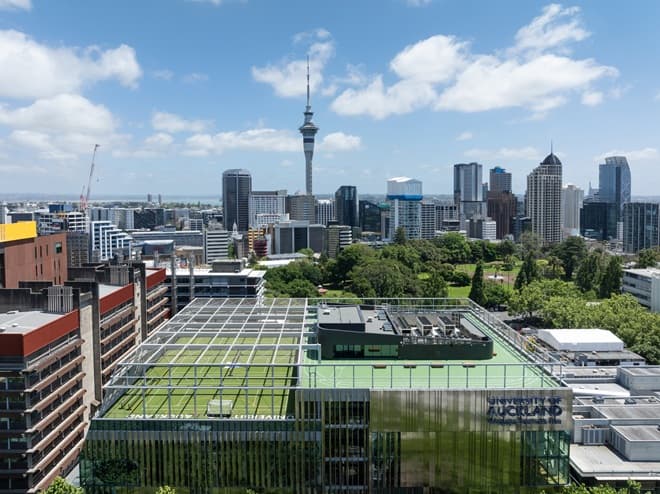
The future of construction in Auckland will therefore reward project teams that embrace innovation and collaboration. Increased use of off-site manufacturing, modular assemblies, digital modelling and advanced rigging techniques will help mitigate weather risks, improve safety and compress programmes. Lightweight tensile systems, intelligent catenary lighting and high-performance green wall structures are likely to play greater roles as designers look to do more with less mass while enhancing public spaces and building performance.
SRS Group is positioning itself within this future by continuing to invest in in-house capability, technology and global partnerships that bring new materials and systems into the local market. Guided by the practical, solution-focused leadership of Luke Tempest, the business remains committed to helping clients navigate Auckland construction challenges with solutions that are not only technically sound, but also elegant, efficient and enduring.
Conclusion
If you are planning a project in Auckland and recognise that weather, site constraints or operational requirements will be major factors, it pays to involve a specialist team early. Exploring SRS Group’s solutions is a straightforward way to understand how architectural rigging, tensile mesh, bespoke fabrication and integrated lighting can be combined to solve your specific Auckland construction challenges.
Whether you are a contractor under pressure to deliver in a tight programme, a developer seeking resilient and distinctive outcomes, or an asset owner juggling construction with live operations, SRS can help you identify innovative construction solutions that work with Auckland’s unique environment rather than against it. Get in touch with the team to discuss your project, share constraints and explore practical options that will keep your build moving, safely and efficiently, whatever the weather decides to do.
FAQs
How do Auckland weather conditions affect construction schedules?
Frequent rainfall, humidity and wind can slow down earthworks, concrete pours and work at height, which is why many Auckland projects build buffer time into programmes and rely on off-site manufacturing where possible. Planning around seasonal patterns and using temporary shelters, weather-resistant materials and flexible staging are key strategies for keeping schedules on track.
What are the most common construction site constraints in Auckland?
Urban and coastal projects often face limited access, minimal laydown space and the need to maintain public or operational access during works. These constraints make it essential to use compact, prefabricated solutions and rigging-based installation methods that reduce heavy lifting, on-site fabrication and long-duration closures.
How can innovative construction solutions reduce risk on constrained sites?
Innovative solutions such as architectural rigging, tensile mesh, catenary lighting and modular fabricated components reduce the amount of material handled on site and allow more work to be completed in controlled workshop environments. This approach improves safety, shortens installation windows and provides more resilience against sudden shifts in weather or supply.
Why is SRS Group well suited to Auckland construction challenges?
SRS combines rigging, tensile architecture and bespoke fabrication under one roof, backed by decades of experience in demanding marine and construction environments. Under the leadership of Managing Director Luke Tempest, the team applies superyacht-level standards of planning and execution to help clients deliver complex projects safely and efficiently in Auckland’s variable conditions.
When should I involve SRS in my Auckland project?
The best time to engage SRS is during concept or early design, when site constraints, weather risks and operational requirements can still shape the solution. Early involvement allows the team to collaborate with your architects, engineers and contractors to develop buildable, resilient approaches that align with your programme and budget while addressing the realities of construction in Auckland.