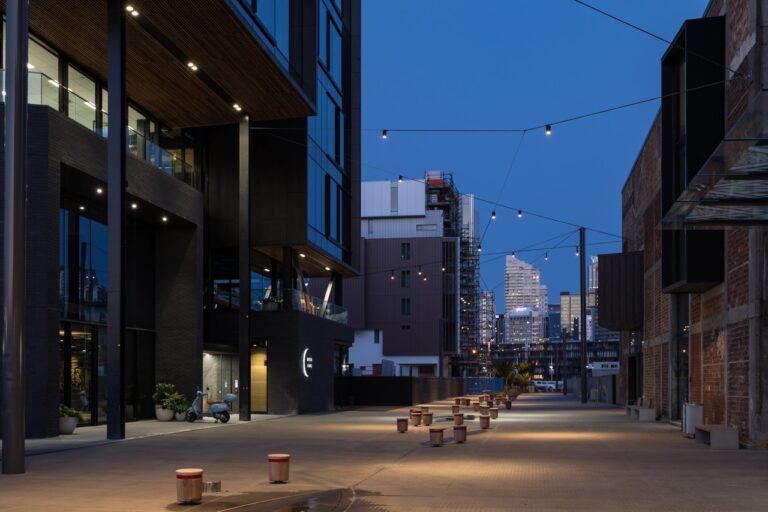
SRS Group is proud to partner with Ronstan Tensile Architecture, a global leader in tensile architecture and rigging solutions whose specialised systems align perfectly with SRS’s proven installation expertise across New Zealand’s landmark infrastructure projects. This collaboration brings together Ronstan’s innovative cable and mesh technologies with SRS’s on-site delivery capability to create safer, more elegant public structures.
Introducing “Safety and Fall Protection Mechanisms”
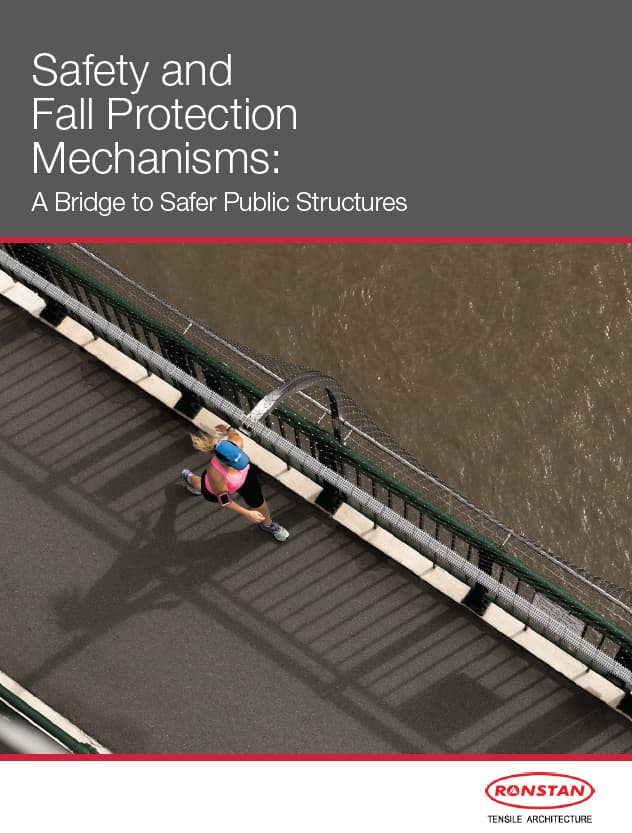
To highlight the potential of this partnership, SRS is sharing Ronstan’s whitepaper, “Safety and Fall Protection Mechanisms: A Bridge to Safer Public Structures,” which tackles the critical role of bridges and overpasses in civic life while addressing their inherent safety challenges. The paper examines how these structures demand robust fall prevention and anti-throw measures without compromising structural performance, user experience or architectural appeal.
Regulatory landscape and compliance options
The whitepaper breaks down Australia’s AS 5100 Bridge Code, which mandates protection like fully enclosed designs, solid parapet walls over 2.4m tall, or screening to prevent falls and thrown objects from pedestrian paths. It also covers state-specific guidelines, such as New South Wales’ requirements for 50-year design life, integrated construction and aesthetic harmony with the overall bridge.
Limitations of traditional approaches
Conventional solutions like concrete walls, heavy steel panels or enclosed bridges often fall short, adding excessive weight that strains older structures, creates wind tunnels, blocks views and limits design creativity. These methods can increase structural loads, disrupt aerodynamics and diminish the cultural or visual identity of iconic bridges like Sydney Harbour Bridge.
Flexible stainless steel cable mesh as an alternative
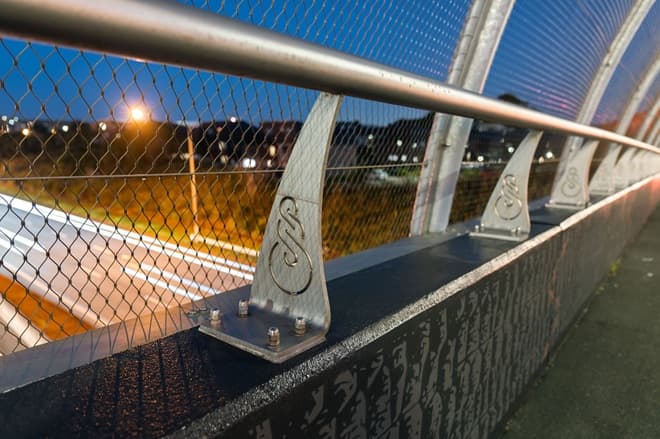
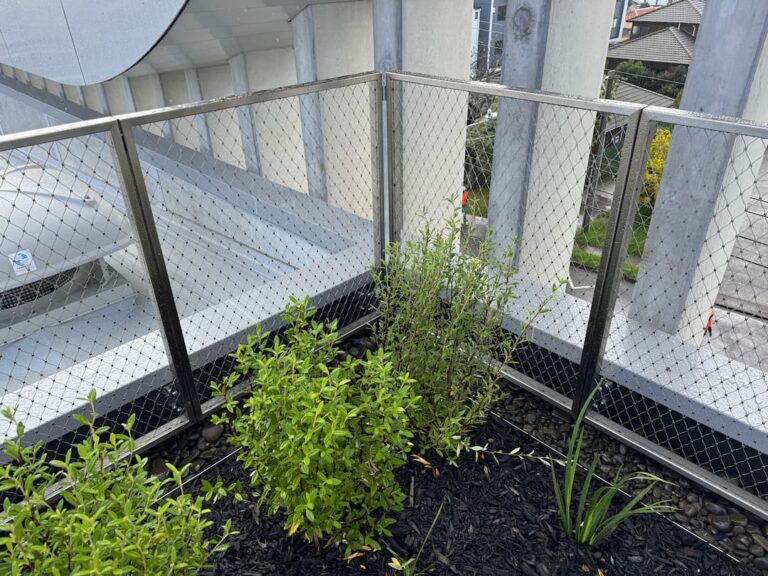
Ronstan advocates for flexible stainless steel cable mesh, a lightweight, high-tensile net that delivers transparent, compliant barriers with minimal bulk and superior load capacity. Its porous design attracts little wind load, supports sustainability through recyclability and durability, and allows clear sightlines that enhance user comfort and architectural expression.
Performance, compliance and project examples
The paper confirms that cable mesh meets AS 5100 requirements for screens over 3m high when using appropriate apertures, while handling design loads from wind and impacts as per local guidelines. Real-world applications, such as Spencer Road Footbridge and Bolte Bridge, demonstrate how these systems integrate seamlessly for both new builds and retrofits.
Ronstan’s expertise – amplified by SRS
With over 30 years in tensile architecture and pioneers of stainless steel cable mesh in Australasia since 1992, Ronstan offers end-to-end design, engineering, fabrication and installation via systems like Carl Stahl X-TEND®. For SRS clients, this means accessing tailored, compliant safety solutions backed by local installation know-how from projects like Kirkbride Overpass and Spencer Road Bridge.
Readers keen to explore compliance details, load analysis and case studies can follow the link to Ronstan’s full “Safety and Fall Protection Mechanisms” whitepaper.