Marine-grade materials like stainless steel, aluminium, copper, and galvanised steel offer superior corrosion resistance, durability, and longevity, making them ideal for exterior and coastal architectural projects.
Here in New Zealand, we are extremely lucky to have around 15,000 km of coastline. Even at its widest part, that means you are never more than 225 kms from the coast, no matter where you find yourself in the country. That means that marine-grade materials are an extremely popular choice in architectural projects throughout New Zealand.
For most of us, this is a huge plus point. Being so close to the ocean, especially during the summer months, means long lazy days spent at the beach and enjoying the crystal-clear waters that surround New Zealand.
However, for some industries, being so close to the ocean causes some potential issues. The architectural industry is one such industry.
Salt and moisture from the ocean make long-lasting construction a challenge. The majority of coastal buildings need maintenance every few decades or, depending on the metal used in their construction, they may need to be completely replaced.
And while most metals are resistant to corrosion, they are not immune. Those that are immune to corrosion are typically luxury metals that carry big price tags.
As you move further inland, all metals survive longer thanks to lower levels of salt in the environment. It won’t save them from the rain and weather, but they stand a better chance. However, in New Zealand, with the furthest buildings being no more than 225 kms from the ocean, it pays to consider the long-term repercussions when choosing a suitable metal for exterior construction.
Why marine-grade materials matter in coastal architecture
Coastal environments expose buildings to constant moisture, high salt levels, and strong winds that accelerate corrosion and structural wear. Using marine-grade materials helps ensure that exterior elements maintain their strength, appearance, and integrity for much longer than standard metals. These materials are specifically designed to resist rust, pitting, and chemical breakdown, making them essential for long-term durability in seaside locations.
For architects and fabricators, choosing the right marine-grade metals reduces maintenance costs, prevents premature replacements, and ensures safety and performance. In regions like New Zealand where almost every building is close to the ocean, marine-grade materials are not just beneficial but often necessary for reliable, sustainable construction.
What are the best corrosion-resistant metals for exterior architecture?
There are a number of options when it comes to the best metals for exterior architecture. At SRS, we work with a wide range of metals as part of our general and marine fabrication projects. Each job we work on is bespoke and we select a metal we feel is most appropriate, both in terms of its ability to cope with the conditions and also the aesthetics, cost, and durability.
Here are four of the most common marine-grade materials we work with for exterior architecture:
1. Stainless Steel
Stainless steel is composed of carbon steel, aluminium, chromium, and other elements that combine to form a highly corrosion-resistant metal. Stainless steel is known for its distinctive polished silver mirror coating. It is lustrous, and brittle and does not tarnish in the air. The myriad of applications of stainless steel includes surgical instruments, cookware, appliances, metal ceramics, cabinet fittings and collectables but it is also becoming extremely popular for exterior architecture.
Of all the metals used in exterior architecture, stainless steel offers the best balance in terms of durability and cost-effectiveness. There are over 150 types of stainless steel, however, there are only three that are typically used in exterior architecture: 304, 316 and 430.
Grade 304 stainless steel is the most commonly used of the 300 series. Its alloy metals – 18% chromium and 8% nickel – give it extreme durability both physically and aesthetically.
However, it’s also one of the most expensive grades of stainless steel.
Grade 316 stainless steel contains the same amount of chromium as 304, but with a higher percentage of nickel plus 2-3% molybdenum. Molybdenum increases the metal’s resistance to salt, making it perfect for the most corrosive environments. At SRS, this is the metal used in marine applications; however, its applications go way beyond marine fabrication.
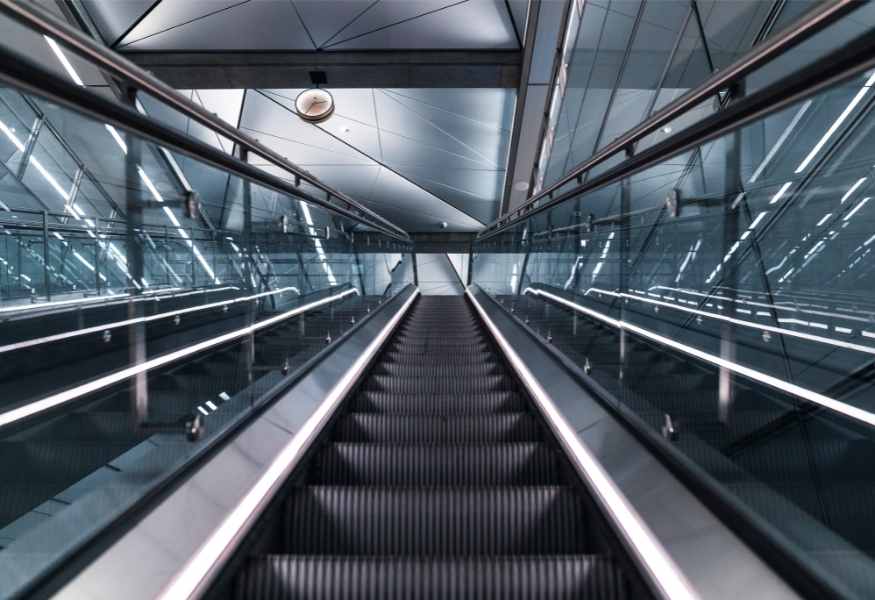
430 stainless steel is typically used for mild exterior conditions, or indoors where the weather gets tracked in (in a metal door frame casing, for instance). Similarly, escalators in shopping malls use 430 stainless to protect against slush and salt carried in by shoppers. It has a lower percentage of chromium (17%) and a higher percentage of carbon (0.12%), which makes it the cheapest and most popular option.
You can read more about the different grades of stainless steel in our recent blog. You can also find out some of the benefits of using stainless steel.
2. Galvanised steel
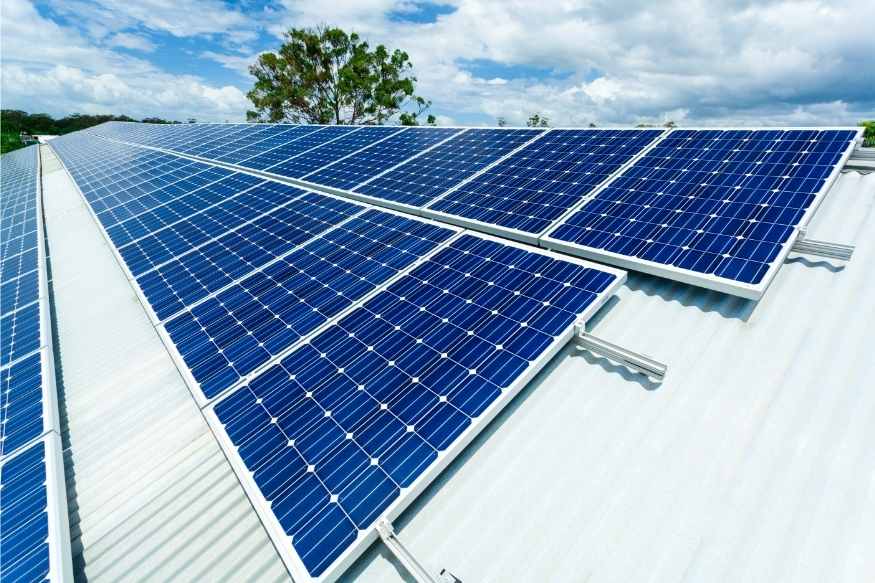
Another popular type of steel used in exterior architecture is galvanised steel. Of the four metals included in our list, galvanised steel is the least corrosion-resistant. It’s also much more about function than beauty. The reason it makes this list is due to its low cost and popularity (which are strongly linked).
Galvanised steel is carbon steel that is coated in liquid zinc. The zinc becomes the sacrificial anode and will corrode before the steel underneath, even if some of the steel is exposed (a phenomenon called preferential corrosion).
In terms of architecture, galvanised steel is probably way down the list of metals an architect would choose, especially with aesthetics in mind. It does, however, have more practical applications and is commonly found on guttering and pipework as well as being used to mount solar panels.
If you live right by the coast, galvanised steel is probably not the best option as it will likely only last 25 years before it needs replacing.
3. Aluminium
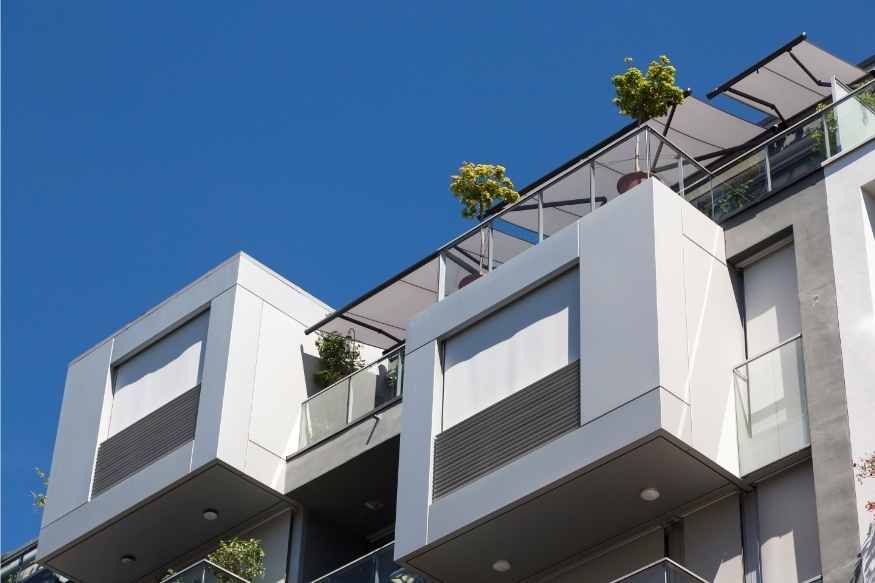
Another metal that leans more towards cost than durability in outdoor construction is aluminium. Whilst it is corrosion resistant and doesn’t rust, it is not a metal you can expect to last forever in outdoor situations, especially if you live in harsh environments, close to the ocean, where a mixture of saltwater, rain and wind can deteriorate aluminium much faster.
Aluminium is pretty clever. It creates its own protective coating through a process called self-passivation. As aluminium oxidises, it creates a protective layer around itself. Manufacturers can force this process via anodising, which immediately strengthens the metal and leaves it with a polished finish.
Aluminium moulding trim for exterior use is most often shaped through extrusion. It is often used on the exterior framing of storefront doors and windows. You can read more about the processes we use at SRS in metal fabrication in our recent blog.
4. Copper, brass and bronze

Copper is a raw element and an impeccable conductor of electricity. It is tough, ductile, malleable, and resistant to corrosion in many atmospheres, which makes it useful in marine and industrial environments.
Brass is composed of copper and zinc. It is often used for nuts, bolts, pipe fitting, doorknobs, furniture trim, clock components and much more. Its acoustic properties make it an ideal alloy for casting musical instruments.
Bronze is an alloy consisting primarily of copper, commonly with about 12–12.5% tin and often with the addition of other metals (such as aluminium, manganese, nickel, or zinc) and sometimes non-metals or metalloids such as arsenic, phosphorus or silicon.
These red metals are much rarer and more luxurious than aluminium or stainless steel. They’re also incredibly durable; once they’ve oxidised, they’re completely immune to the elements.
Comparison Table of Marine-Grade Materials
|
Material |
Strength |
Corrosion Resistance |
Typical Use |
Cost Level |
|
Stainless Steel (304/316/430) |
High |
Very High (316 best) |
Architecture, marine, exteriors |
Medium–High |
|
Galvanised Steel |
Medium |
Low–Medium |
Gutters, pipework, mounts |
Low |
|
Aluminium |
Medium |
Medium |
Storefronts, trims, frames |
Low–Medium |
|
Copper/Brass/Bronze |
Very High |
Very High |
Luxury buildings, restorations |
High |
Typically, these metals would be used in high-end architectural projects. The cost compared to stainless steel will likely be two to three times higher; however, you get what you pay for – a highly corrosion-resistant, weather-resistant, and durable finish which delivers a pleasing aesthetic. Requests for red metals often come for luxury hotels, banks, historical buildings, and restorations.
Check out a recent case study from a high-end balustrade installation using bronze.
Factors to consider when choosing marine-grade materials
Selecting the right marine-grade material is essential for ensuring durability, performance, and long-term value, especially in coastal or high-exposure environments. Different metals behave differently under salt, moisture, wind, and temperature variations, so understanding the specific demands of your project helps ensure the best outcome. Here are the key factors to assess:
- Environmental exposure levels – Consider how close the structure is to the coastline, the level of salt in the air, humidity, prevailing winds, and the likelihood of water pooling or splash zones. Higher exposure requires stronger corrosion resistance, such as 316 stainless steel or copper alloys.
- Aesthetic goals – Metals vary in appearance, finish options, and how they weather over time. Stainless steel offers a polished, modern look; bronze and copper develop a natural patina; aluminium delivers a clean, lightweight aesthetic. Match the material to the project’s design intent.
- Budget and material longevity – Some marine-grade materials cost more upfront but last significantly longer, reducing lifecycle costs. For example, stainless steel and bronze typically outperform aluminium or galvanised steel in harsh coastal environments.
- Maintenance requirements – Determine how often cleaning, inspection, or refinishing will be needed. Lower-maintenance materials like 316 stainless steel or copper alloys are ideal for hard-to-access areas or high-traffic public spaces.
- Structural load and fabrication needs – Different metals have different strength levels, weight, and fabrication capabilities. Consider whether the material must support heavy loads, allow for custom shaping, or integrate with other architectural elements.
The use of marine-grade materials including stainless steel in architectural projects
We are definitely starting to see a much bigger demand for the use of marine-grade materials such as stainless steel in architectural projects around the country. Whether the project is at sea, at home, or at the office, 316-grade stainless steel provides a long-lasting, low-maintenance, non-corrosive solution which works for everyone – people, animals, and plants alike.
The beauty of working with SRS is that we always choose the material that is the best fit for your specific project. No two jobs are the same and our expert team of fabricators work closely with architects to ensure the best possible fit in terms of the metals that we recommend.
At SRS Group, we specialise in bespoke metal fabrication, architectural rigging, and marine-grade solutions. Whether you’re designing coastal structures, public infrastructure, or high-end architectural features, our team can recommend the ideal materials and fabricate custom components built to perform.
Contact SRS today to discuss your architectural requirements and find the best marine-grade solution for your next project.
Frequently Asked Questions
What makes a material “marine grade”?
Marine-grade materials are engineered to withstand high levels of moisture, salt, and environmental corrosion, making them ideal for coastal architecture.
Is galvanised steel good for buildings near the ocean?
It offers basic protection but typically lasts only around 25 years near the coast, making it less ideal for long-term coastal structures.
What metals are best for luxury architectural projects?
Copper, brass, and bronze provide excellent durability and rich aesthetics, commonly used in hotels, heritage restorations, and premium builds.
How do I know which marine-grade material is right for my project?
The choice depends on exposure, budget, longevity goals, and aesthetics. Consulting specialists like SRS ensures the best match for your architectural needs.
What are the benefits of using copper, brass, or bronze in architecture?
These “red metals” are highly corrosion-resistant, weatherproof, and visually striking. They are often chosen for luxury or high-end projects such as hotels, banks, and historical restorations, offering durability and aesthetic appeal far beyond more common metals.
Post first published 25 January 2023 and last updated 19 December 2025