Exposed structural rods are a practical way to turn essential load paths into a design feature, giving architects and engineers a slimmer, cleaner alternative to bulky bracing. In the right project, they deliver visual precision, structural performance and a high-end architectural finish without compromising compliance or buildability.
Modern architecture increasingly rewards honesty in structure. Instead of hiding every beam, brace and support behind linings, designers are now using those elements to shape the interior experience itself. Exposed structural rod projects are a strong example of that shift, because they express load paths with clarity while keeping the visual language minimal and refined.
Why rods are becoming a feature
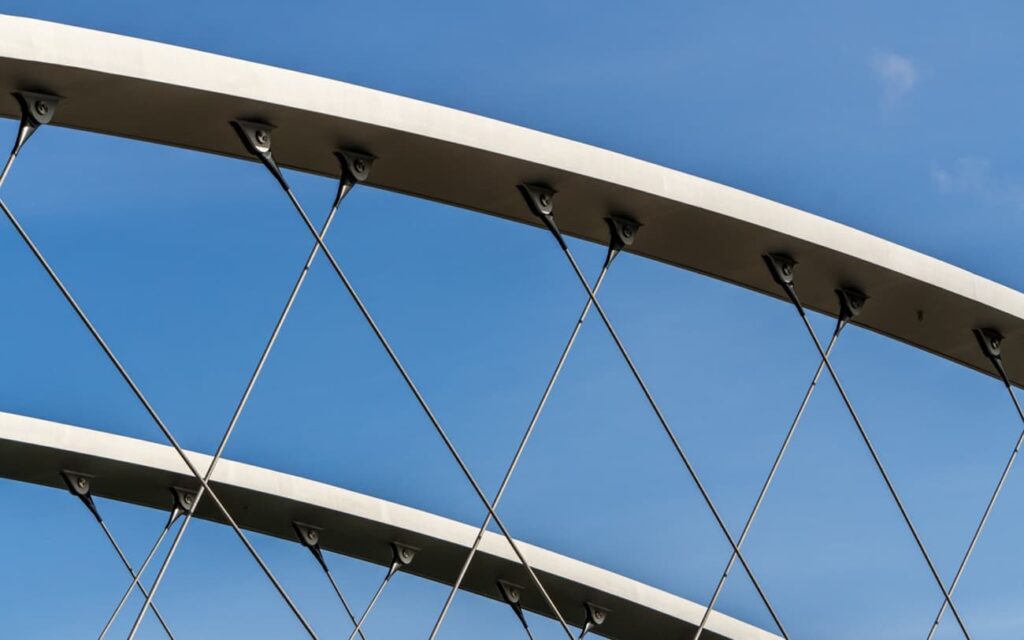
For many architects and interior designers, the attraction of architectural tension rods for interior applications is simple. They solve a structural problem while contributing to the architecture. Unlike heavy PFCs, timber cross-bracing or oversized plate members, feature rod bracing can read as light, precise and intentional. That makes it especially valuable in open-plan commercial spaces, atriums and high-end fit-outs where the structure is always visible to the user.
This approach also aligns with contemporary commercial thinking. Developers and project managers want efficient systems that are cost-predictable, compliant and easy to install, but they also want a visual outcome that supports tenant appeal and long-term asset value. When done well, minimalist structural bracing does both. That is why exposed rods are increasingly appearing in facade engineering, mezzanine floors, canopy supports and other visible structural zones.
How load paths become features
At their core, rods are tension members. That means they work primarily by resisting pull rather than bending or compression, which allows them to be much slimmer than conventional structural elements. In practical terms, this gives the designer a way to carry load with a visually restrained member that does not dominate the space.
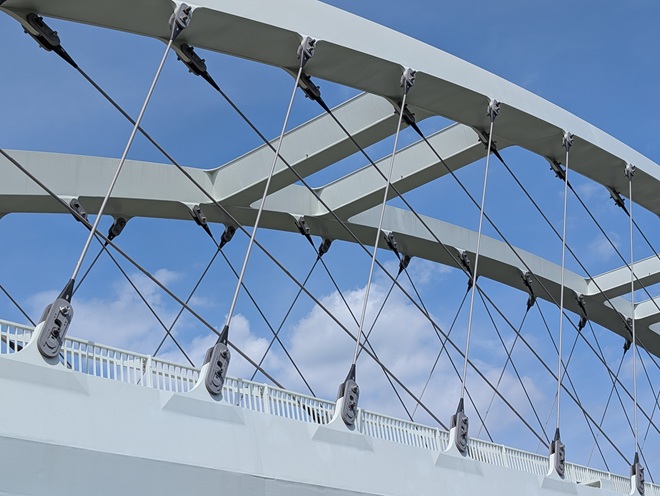
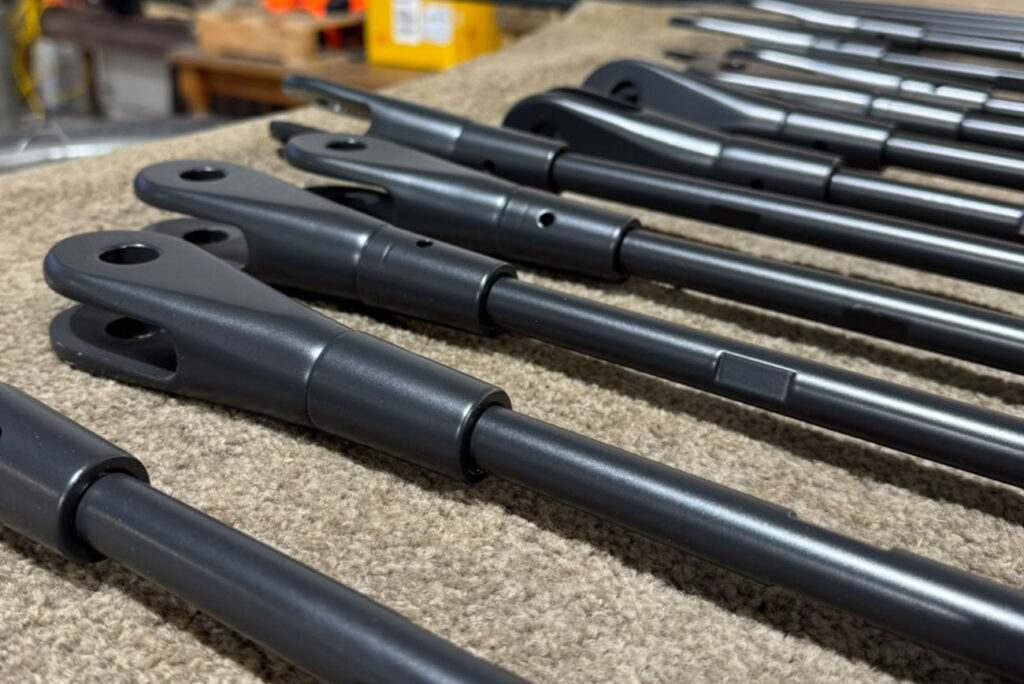
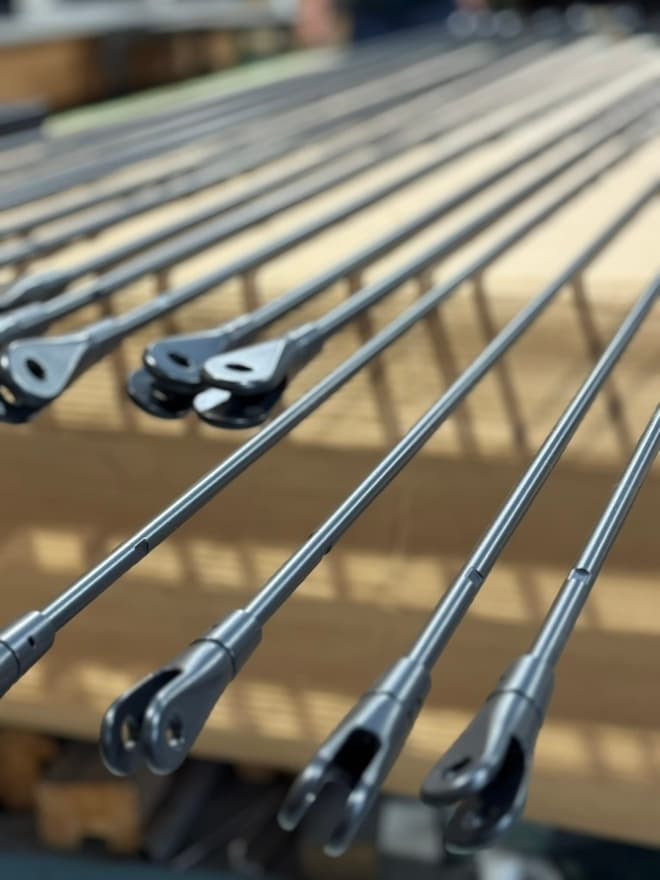
A feature rod system is more than just a rod. Its architectural presence comes from the details: fork ends, turnbuckles, polished lock nuts, clevises and carefully resolved connection plates. These components turn the system from something purely functional into something that can be appreciated up close. When the detailing is precise, the rods read almost like engineered jewellery within the space.
Luke Tempest’s background in superyacht rigging is especially relevant here. Marine environments demand exacting tolerances, clean visible details and reliable performance under load, and those expectations translate well into land-based architectural work. SRS applies that same discipline to exposed structural rods, which is why the results feel so resolved even when the engineering underneath is highly technical.
“In superyacht work, a blemish on a rod or fitting is not acceptable. You apply that same mindset to architectural rods. The hardware is visible, so it has to look as good as it performs. That discipline is what makes exposed rod systems work as a design feature.” – Luke Tempest, Managing Director, SRS Group
Where feature rod bracing works best
Feature rod bracing is particularly effective in atriums and portal frames where long spans or open volumes would otherwise require bulky steel or timber members. The rods can form clean diagonals or tension ties that stabilise the frame while keeping the visual field open. In public-facing interiors, that lightness can make a building feel far more generous and elegant.
Canopies and mezzanine floors are another strong use case. Rods can suspend, stabilise or brace these elements with minimal obstruction, which helps preserve daylight, views and circulation. For designers working on retail, hospitality or workplace fit-outs, that can mean a much better balance between structure and spatial experience.
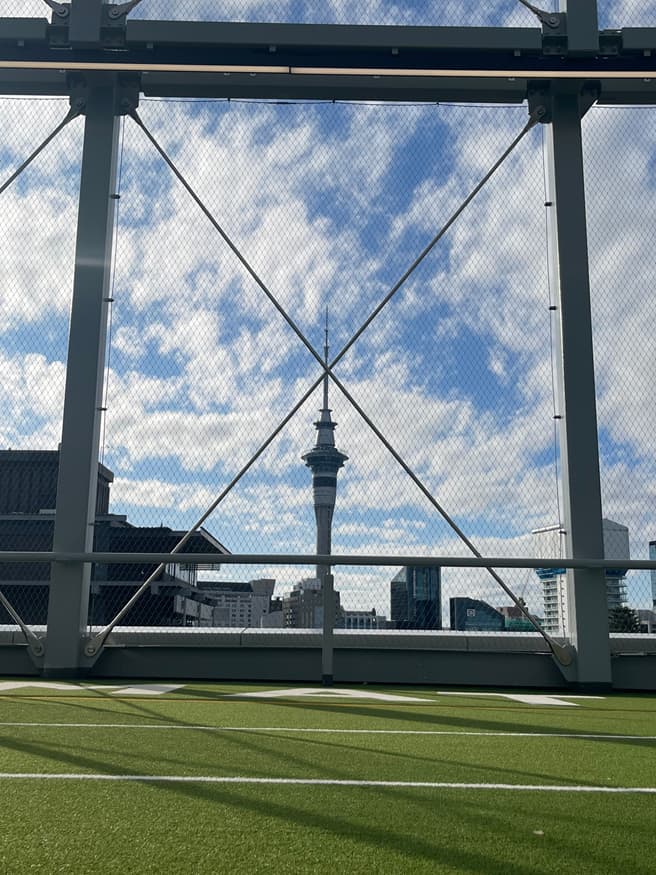
Glazed facades also benefit from architectural tension rods interior solutions. Where large glass walls or glazed entries need restraint, rods can help distribute loads and support the wider structural logic without adding visual clutter. In these projects, the rods are not just holding things up. They are part of the composition that makes the facade feel precise and high performance.
Materials and performance
Material selection matters as much as geometry. Grade 316 stainless steel is often the natural choice for stainless steel tension rods in NZ projects where corrosion resistance and premium finish are important. It is especially useful in exposed interiors, coastal buildings and public-facing architecture where the hardware will be seen as part of the design.
Carbon steel tie rods for architectural applications can also be appropriate, particularly where the rods will be coated or otherwise finished to suit the design and budget. In some cases, duplex 2205 or other high-tensile rod options may be selected where higher strength or enhanced corrosion resistance is required. The point is not to default to the most expensive option, but to match the material to the performance requirement.
This is where SRS adds value. Roydon Gilmour’s technical and QS perspective helps clients understand the cost implications of each material choice early in the process. Choosing the right rod system from the outset can reduce structural bulk, simplify installation and keep cost forecasts realistic, which is a major advantage for developers and project managers trying to protect both design intent and budget.
“Clients often worry that exposed rods will drive costs up. In reality, if you get the system right early, you reduce structural bulk, cut installation time and keep the budget predictable. That transparency is what developers need to make confident decisions.” – Roydon Gilmour, Technical Advisor & QS, SRS Group
Engineering and compliance
Any exposed structural rods solution must be designed within the requirements of the NZ Building Code and the relevant seismic performance and load-bearing standards. That means the load path, anchorage, deflection limits and serviceability criteria all need to be resolved properly, especially in seismic bracing solutions Auckland projects where movement and resilience are part of the brief.
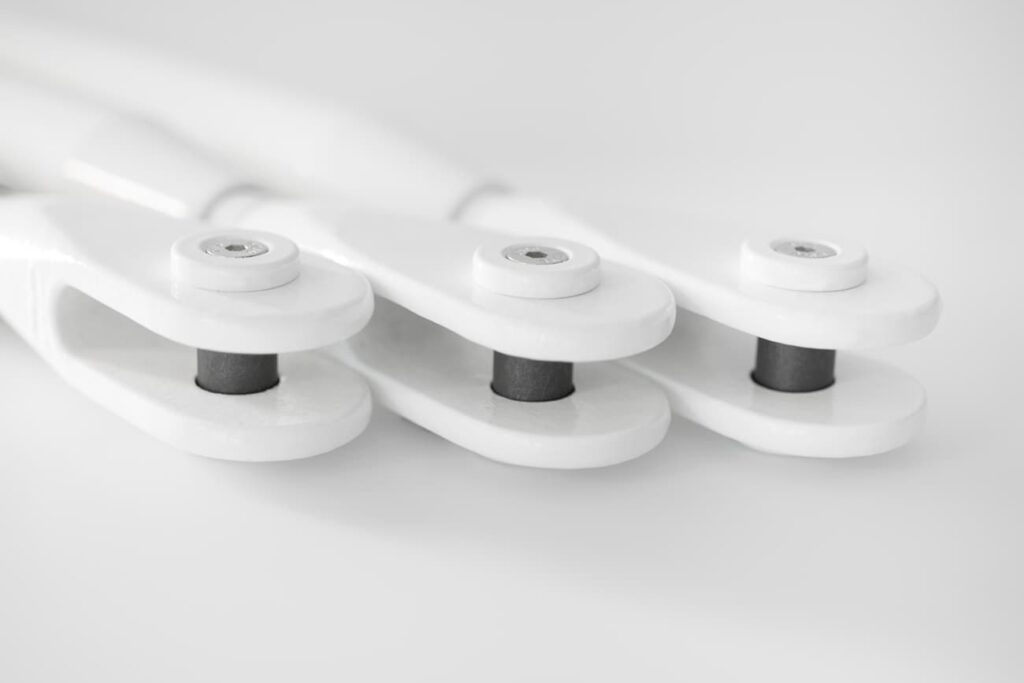
AS/NZS 1554.6 is particularly important when stainless steel welding is exposed to view. In these systems, the weld quality is not just technical. It is aesthetic. A poor weld or unfinished junction will be visible to occupants, so craftsmanship has to meet the same standard as the structural design. This is where Sven Lizamore’s fabrication leadership becomes important, because the workshop needs to produce joints and finishes that look refined at close range and still perform under load.
“When a rod is exposed, every weld, thread and finish is on show. We treat AS/NZS 1554.6 not just as a standard, but as a visual requirement. If the joint is visible, it has to look like a sculpture, not raw construction hardware.” – Sven Lizamore, Fabrication Manager, SRS Group
SRS’s fabrication and CAD capability means the team can work through the geometry, tolerances and interfaces before site works begin. That is essential for exposed systems, because there is little room for improvisation once the hardware is visible. Proper coordination early on helps avoid clashes with finishes, services and other structural elements, particularly in commercial atriums and architectural interiors.
The SRS delivery model
SRS Group’s advantage is that it does not treat rods as isolated products. The company integrates rigging, fabrication and CAD so the design, manufacture and installation can be managed as one coherent process. That is especially valuable for feature rod bracing, where the technical logic and the visual outcome are equally important.
Ben Grenfell’s rigging expertise is critical on site. Rods must be installed, tensioned and calibrated correctly, often in geometrically challenging environments with difficult access. A clean workshop result still needs a disciplined installation team to deliver the final appearance and performance. SRS’s rigging professionals understand that the final few millimetres of adjustment can make the difference between a system that merely works and one that looks perfect.
“The hardest part of an exposed rod system is often the final few millimetres. You can have flawless fabrication, but if the tension is wrong or the alignment is off, the system reads as messy. Our rigging team is trained to get that right, even in difficult access conditions.” – Ben Grenfell, Rigging Manager, SRS Group
This is also where the Ronstan Tensile Architecture partnership strengthens the offer. Ronstan’s component supply and system knowledge complement SRS’s local fabrication and installation capability, giving project teams confidence that the hardware, detailing and delivery model are aligned. For commercial developers and architects, that combination supports a more reliable path from concept to completion.
Social proof and reliability
SRS’s reputation has been built project by project, with a strong focus on craftsmanship, transparency and deadline performance. That is reflected in the feedback the company has received over time, particularly around clear communication and a fully wrapped approach from design through to installation.
“SRS gave us a fully wrapped approach from concept to completion. The transparency on pricing, the clarity in the drawings and the quality of the final installation made the process straightforward and predictable.”
This kind of feedback matters because exposed systems leave very little hiding place for errors. When the hardware is visible, every detail counts. That is why clients consistently value the combination of technical knowledge, practical installation and high-quality finishes that SRS brings to each project.
“The rigging work was high quality and the experience was hassle-free. Luke and the team handled the detail carefully and delivered exactly what the project needed.”
For architects and designers, that kind of reliability is essential. It means the visual concept can survive the transition from design intent to site reality without compromise.
“We have worked with SRS for more than a decade. Their craftsmanship and commitment to deadlines have been consistent across every job.”
Long-term trust is often the strongest indicator of capability in this sector. Rod systems may look minimal, but their success depends on years of experience, tight coordination and a willingness to own the outcome from workshop to installation.
Why exposed rods matter now
The current design climate favours clarity, restraint and honest expression of structure. Exposed structural rods fit that direction well because they turn a necessary load path into a visible design decision. For high-end residential, commercial and public-facing interiors, that can lift a space from merely functional to memorable.
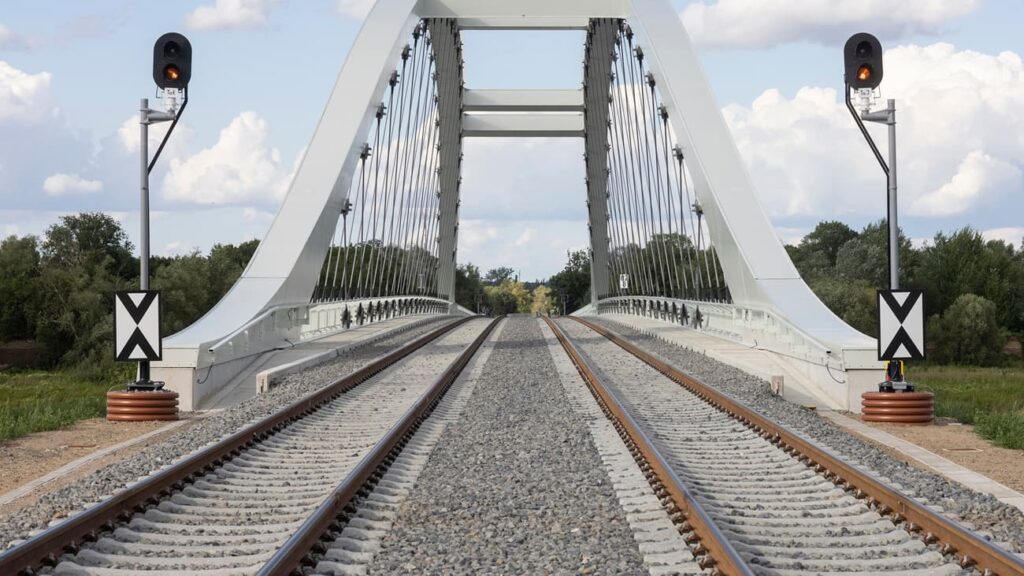
They also offer a practical answer to a familiar problem. Designers want openness. Engineers want performance. Developers want certainty. Rod systems can satisfy all three when they are properly engineered and executed. That is why they are increasingly being used in atriums, glazed facades, mezzanine floors, canopy supports and portal frame bracing across New Zealand.
Next steps
If you are planning a project that could benefit from exposed structural rods, SRS Group can help you shape the structural logic into a feature worth seeing. The team can workshop your drawings, assess material options, coordinate with structural engineers and guide the detailing through fabrication and installation.
For architects, structural engineers and developers, the opportunity is straightforward: turn load paths into one of the strongest design features in the project. Contact Roydon, Luke and the SRS Group team today to discuss your structural rod systems scope and explore how feature rod bracing can elevate the final result.
FAQs
What are exposed structural rods used for?
They are used to carry tension and stabilise visible architectural elements such as atriums, facades, canopies and mezzanine structures.
Why choose rods over heavier bracing?
Rods create a slimmer, more refined visual outcome while still providing structural performance, especially where openness and minimalism are priorities.
Are stainless steel tension rods NZ suitable for commercial interiors?
Yes. Grade 316 stainless steel is a strong choice where corrosion resistance, premium finish and visibility matter.
Can carbon steel tie rods architectural systems be used instead of stainless?
Yes, provided the material is specified and finished appropriately for the exposure environment and the design brief.
How does SRS ensure exposed rods look good as well as perform?
Through integrated CAD, fabrication, welding quality control to AS/NZS 1554.6, and careful on-site rigging and calibration.