The best trellis system for you depends on three key factors: the strength required for plant support, whether you prefer a decorative or practical design, and the specific climbing plants you plan to grow.
Considerations When Choosing a Trellis System
Before exploring trellis types, understanding the purpose of your installation is essential, whether it’s for aesthetics, plant growth support, privacy, or structural integration with your landscape.
1) Strength
Factors that influence trellis strength include:
- Material durability: Stainless steel, galvanised steel, and aluminium offer superior resistance to outdoor conditions.
- Load-bearing capability: Some vigorous climbers, like wisteria, bougainvillaea, or mature ivy, require high-tension wires or reinforced frames.
- Environmental exposure: Coastal areas may require corrosion-resistant materials, while shaded garden sections may need only light support.
Helpful reference table:
|
Strength Factor |
What It Means |
Why It Matters |
|
Material Type |
Steel, aluminium, or mesh |
Affects lifespan and plant weight capacity |
|
Plant Weight |
Light, medium, heavy vines |
Determines if reinforcement is needed |
|
Weather Exposure |
Sun, rain, salt air, wind |
Impacts durability and maintenance |
2) Feature versus practical
Your trellis can serve both aesthetic and functional purposes.
Consider the following when balancing style and practicality:
- Design integration: Modern landscapes often use minimalist vertical lines, while classic gardens favour intricate patterns.
- Visibility: Decide whether the trellis should blend into the background or become a focal point feature.
- Maintenance: Highly decorative structures may require more upkeep compared to simple wire systems.
Common trellis design options:
- Vertical or horizontal linear systems
- Decorative geometric frames
- Subtle support structures hidden by plants
- Statement pieces designed to attract attention
3) The choice of plants
Choosing the right plants is crucial for long-term performance and trellis longevity.
Additional plant-related considerations:
- Growth habit: Twining plants (e.g., jasmine) need wires, while scrambling plants (e.g., roses) benefit from crosshatch support.
- Mature size: Fast-growing species require stronger, tensioned systems to avoid sagging.
- Root behaviour: Some climbers are aggressive and may require spacing between the trellis and wall for ventilation.
- Sun and moisture needs: These influence the material you choose, ensuring plants and trellis age well together.
Plant support suitability table:
|
Plant Type |
Recommended Trellis |
Notes |
|
Twining plants (e.g., jasmine) |
Single line horizontal/vertical |
Ideal for lightweight systems |
|
Scramblers (e.g., climbing roses) |
Crosshatch or mesh |
Needs multi-directional support |
|
Heavy climbers (e.g., wisteria) |
Reinforced steel or tension mesh |
High strength required |
Once you have decided on these 3 key points, we can help find what trellis system is best for you to create your living wall.
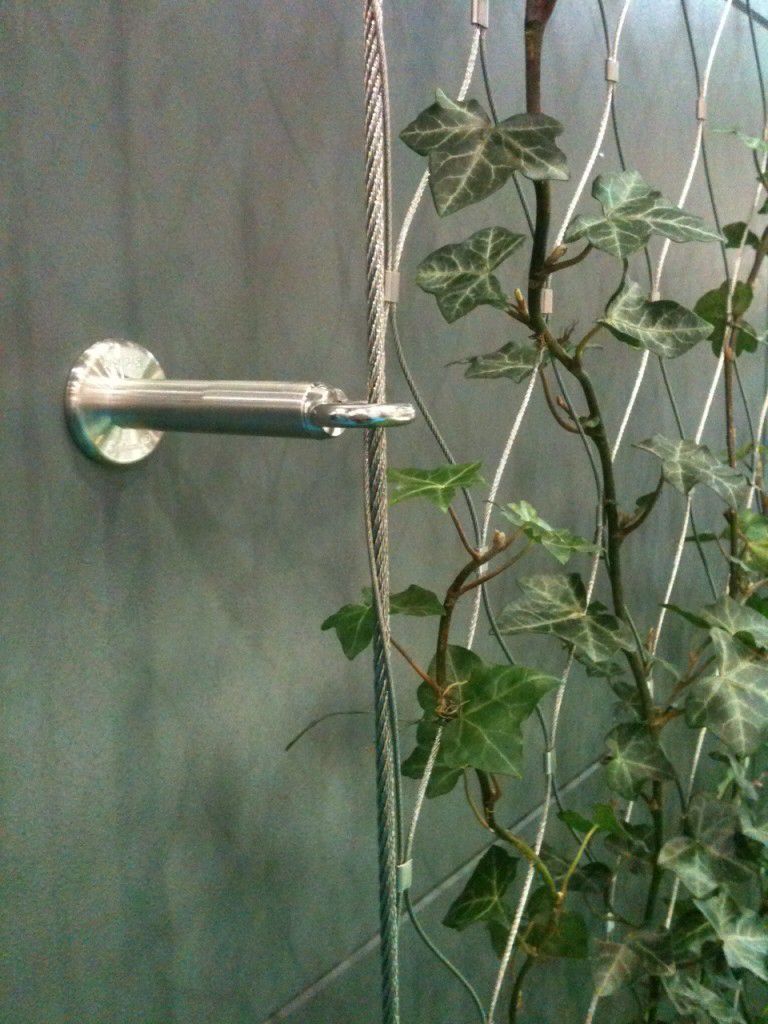
Trellis systems come in many shapes and sizes; these are divided into two main groups. Single Line systems consisting of wires being run horizontally or vertically to support twining pants or scramblers. The second group is crosshatch systems. This is where wires intertwine over each other to allow more support and coverage for scrambling or climbing plants. An easy solution to create this type of system is tensile mesh.
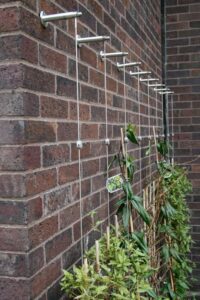
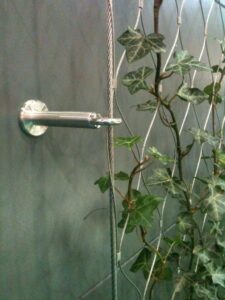 Garden design. Red girl Fencing ideas. Landscape
Choosing Between Single-Line vs Crosshatch Systems
Selecting the right trellis also depends on the style and support level you need.
Single-Line Systems Are Best For:
- Twining plants
- Lightweight vines
- Minimalist vertical gardens
- Simple architectural lines
Crosshatch / Mesh Systems Are Best For:
- Heavier climbers
- Dense coverage
- Decorative patterns
- Structural garden features
Conclusion
The right trellis system depends on plant needs, strength requirements, and the visual impact you want to achieve. Whether you prefer a simple wire layout or a more robust mesh design, choosing the right structure ensures your living wall thrives.
SRS Group specialises in architectural rigging, tensile mesh, and custom-fabricated trellis systems. If you’re planning a climbing garden, green wall, or outdoor feature, our team can help design, engineer, and install a system tailored to your project.
Please don’t hesitate to contact our team to discuss any living wall systems. SRS is New Zealand’s leading Architectural company, providing design through to installation services with extensive knowledge and experience at the ready to share with you.
Contact us today to get expert guidance for your living wall or trellis installation.
Frequently Asked Questions
What materials are best for long-lasting trellis systems?
Stainless steel and galvanised steel are ideal for durability, especially outdoors.
Do heavy plants require a special trellis?
Yes, large climbers like wisteria or grapevines need reinforced or tensioned mesh for stability.
Can SRS Group design a custom trellis for my space?
Absolutely, SRS provides custom design, fabrication, and installation for bespoke trellis and living wall systems.
Post first published 24 September 2019 and last updated 13 January 2025